


All You Need to Know About Merchandise – From Branding to Successful Sales
What exactly is merchandise, and why do we see it everywhere – from exclusive clothing collections to promotional items and branded tech gadgets? In today's global and digital world, merchandise, or simply goods, has become a central part of both business strategies and everyday life. Whether it's physical products in stores, custom "merch" for artists, or smart online marketing, it's about much more than just sales – it's a tool for building relationships, creating visibility, and driving engagement.
In this guide, you will gain a deep understanding of merchandise from several perspectives: how the concept is used, the most common product categories, creative exposure in retail, digital opportunities, and sustainability. We answer common questions, explain complex relationships in the supply chain, and provide concrete tips for creating your own merch – all to help you navigate the dynamic merchandise landscape with confidence and success.
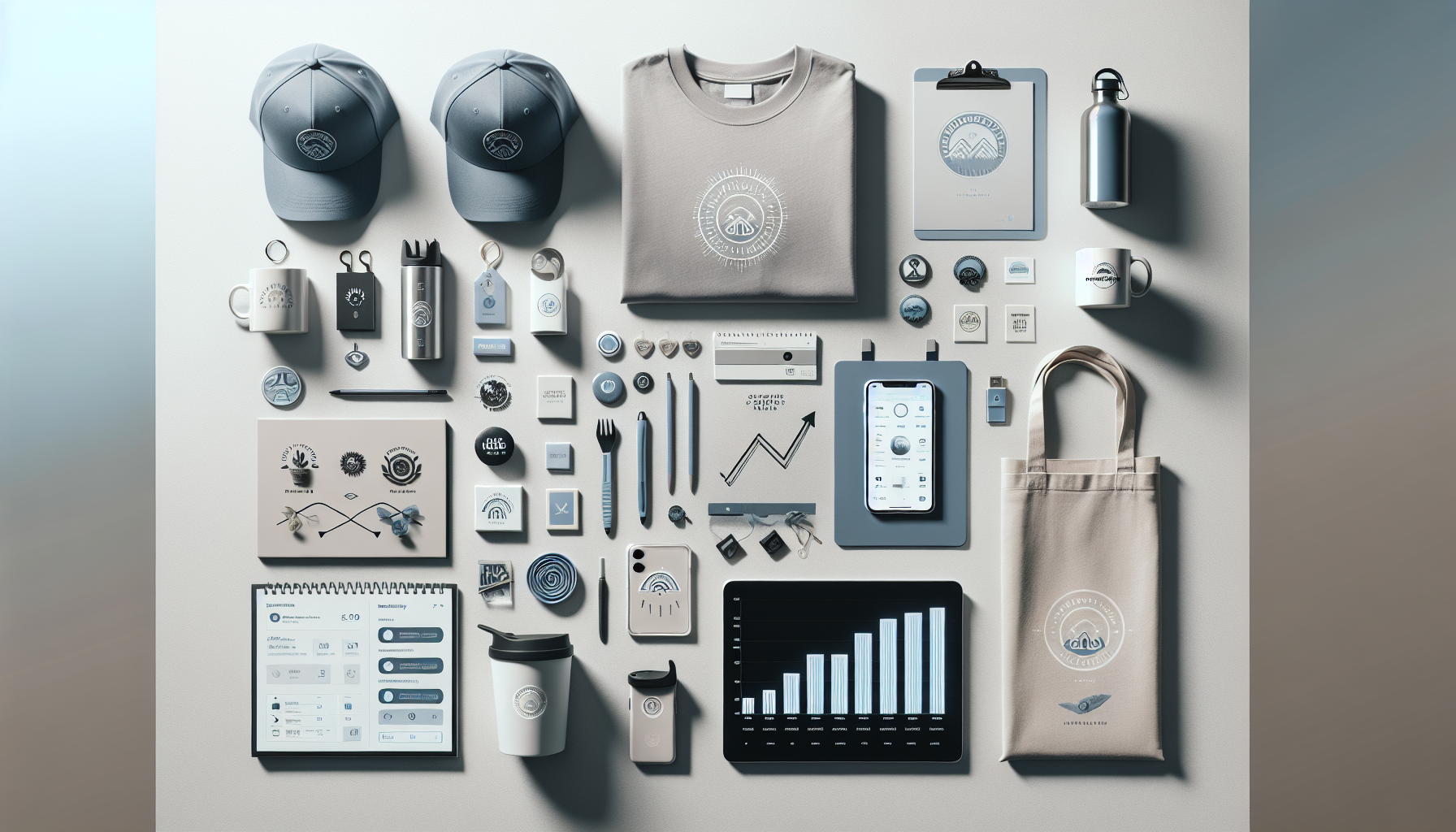
Merchandise, or merch, is a concept that encompasses everything from physical goods to digital products sold or used to represent a brand, an artist, or a company. The word merchandise has a broad and flexible usage – it functions both as a noun to describe the goods themselves and as a verb when it comes to strategically marketing or presenting products. Clear examples can be found in both retail and among creators building their personal brand.
Merchandise as a Noun and a Verb
- Merchandise as a noun refers to physical products or goods provided for sale, such as clothing, electronics, books, or collectibles. This is clearly visible on store shelves but also when artists, sports teams, or influencers release their own collections for fans.
- Merchandise as a verb refers to the various activities a company or person performs to market, display, and sell products. This can involve strategic pricing of goods, attractive arrangement of products in a store, or creating campaigns around a specific collection.
-
Creativity and business strategy underpin how merchandise is planned and used, both to generate profit and to engage the target audience and strengthen brand identity.
Examples of everyday merchandise include concert T-shirts, mugs with logos, or limited-edition collectibles from popular games. In the business world, promotional materials, giveaways, and corporate wear are important tools for both internal pride and external marketing.
The Importance of Merchandise for Businesses and Creators
Merchandise has become an indispensable part of many businesses' and creators' operations. A well-thought-out merch catalog can build trust and drive recognition, while directly generating revenue. Furthermore, merchandise often creates relationships between the brand and its audience; a person wearing a T-shirt with their favorite brand effectively becomes an ambassador, increasing the brand's visibility in everyday life.
Overall, merchandise is not just about products – it is also a tool for business development, marketing, and cultural influence.
Different Types of Merchandise
Merchandise is a broad concept that encompasses everything from everyday products to exclusive collectibles and digital goods. To understand how merchandise is used in trade and culture, it is crucial to look at the different forms it can take. Top-ranked sources particularly highlight how merchandise ranges from physical products sold in stores to digital and personalized goods via e-commerce. Furthermore, merch varies enormously between industries such as music, sports, and gaming, where target audiences have different preferences and demands.
Physical, Digital, and Industry-Specific Products
- Physical products: This includes everything from clothing, electronics, books, posters, and food to thematic gifts, mugs, and bags. These products are often manufactured in large volumes but can also be found in limited, exclusive editions that quickly become sought after by collectors and fans.
- Digital merchandise: With increased digitalization, virtual products have become common, such as in-game skins, downloadable content, artworks, NFTs, and digital memberships. These lack physical form but often hold significant value within their respective communities.
-
Industry-specific examples: In the music world, T-shirts and posters are typical, while sports clubs focus on jerseys, scarves, and accessories. The gaming industry often offers both physical figures and digital bonus items linked to the gaming experience.
Of particular interest are exclusive collaborations or limited collections, where, for example, a popular band releases a limited number of specially designed shirts or where a game offers unique digital items upon launch. This form of merchandise drives both loyalty and interest, while also becoming collectibles whose value can increase over time.
Shifting Value and Demand
The demand for different types of merchandise is influenced by several factors: availability, exclusivity, trend-setting, and social media hype. There are also new opportunities for smaller creators to create and sell their own merch through print-on-demand and e-commerce platforms, which broadens the market offering. This allows both companies and individuals to reach specific target groups with products tailored to their interests – a development that makes merchandise more versatile than ever before.
Merchandise and Brand Building
In today's rapidly changing consumer landscape, merchandise has become one of the most effective tools for building and strengthening brands. When companies and creators offer products with their own logo, design, or message, every customer and supporter transforms into an ambassador on the street. Whether it's exclusive T-shirts at an event, popular club scarves, or specially designed collectibles, merchandise contributes to the brand's visibility, recognition, and emotional value. This applies to globally recognized brands as well as local profiles or digital influencers.
How Merchandise Strengthens Brand Loyalty
Strategically using merchandise has several positive effects for a brand:
- Builds loyalty: When customers wear or use a product linked to a brand, their relationship with the brand and the feeling of belonging to a community is strengthened.
- Creates identification: Especially in the music, sports, and gaming worlds, merch communicates a personal stance or interest.
- Increases visibility: Every visible product – from caps to bags – functions as mobile advertising, making marketing natural and cost-effective.
-
Strengthens community feeling: Special collections or limited-time merchandise can build hype and exclusivity, further cementing customer engagement.
Examples of this can be seen in everything from concert posters and sports club jerseys to successful YouTubers' own collections. When merchandise is designed with care and creativity, it often becomes more than just advertising – it becomes part of the consumer's everyday life and identity.
Influencer- and Pop Culture-Driven Merchandise
New trends in merchandise occur in synergy with the digital landscape. Influencers, podcasters, and gamers have quickly become pioneers in the merch world, creating collections that sell out in record time. This shows that a strong, authentic brand can use merchandise for both income and community building. A unique aspect is that many creators now involve their fans directly in the design process, which creates even stronger engagement and loyalty.
In summary, merchandise is a cornerstone of modern brand building – not just for visibility, but for creating relationships and long-term emotional value among followers and customers.
From Supplier to Consumer: The Merchandise Supply Chain
For merchandise to reach the end customer, an efficient value chain is required, where each link plays a crucial role. Behind every popular T-shirt, collectible figure, or tech gadget is a network of manufacturers, suppliers, wholesalers, and retailers who collaborate to ensure that products not only reach stores on time but also meet customer expectations for quality and price. With the advent of digitalization, this chain has become even more dynamic, with e-commerce and omnichannel strategies changing how we buy and sell merchandise.
How the Supply Chain Works – From Idea to Customer
- Production and manufacturing: It all starts with merchandise being designed and produced, often in collaboration between creators, brands, and factories worldwide. High demand often means collaboration with multiple manufacturers to secure volumes and quality.
- Wholesalers and distributors: These actors serve as intermediaries between manufacturers and retailers. They can store large quantities and enable faster deliveries.
- Retailers and stores: The final destination before products reach the consumer are traditional stores, supermarkets, web stores, and sometimes pop-up solutions at festivals or events.
-
E-commerce and omnichannel: Many brands integrate physical stores and online shops to provide customers with a seamless experience across multiple channels.
The complexity of the chain further increases when custom merchandise, international collaborations, or rapid seasonal shifts are involved. At the same time, new demands are placed on transparency, traceability, and sustainable logistics. Digital platforms also enable print-on-demand and direct sales without inventory, opening up opportunities for small players and niche brands to compete in a global market.
The Future of Distribution and Customer Experience
Developments in distribution and supply chains for merchandise are increasingly about technology, flexibility, and sustainability. Companies that invest in smart inventory management, AI-driven logistics, and quick responses to customer demands strengthen their position. At the same time, pressure is growing for ethical trade, environmentally friendly transportation, and opportunities for individual customization. Understanding the entire chain – from creation to end customer – is therefore crucial for success in today's competitive merchandise market.
Creative Exposure – Store Presentation and Merchandising
Store display and merchandising are at the core of how physical stores and brands attract consumers and maximize sales of their products. By combining creativity and smart strategy, the right exposure of merchandise can dramatically increase both attention and purchasing intent among customers. It's not just about placement, but also about creating environments, themes, and narratives that evoke emotions and strengthen brand identity.
Strategies for Effective Store Display
Effective store presentation is built on several principles:
- Placement strategy: Goods placed at eye level or at the end of aisles have a greater chance of being seen and bought.
- Visual communication: Colors, signage, and lighting work together to enhance the attractiveness of products.
- Seasonal and theme adaptation: Adapt the store space for campaigns, holidays, or popular trends – for example, Christmas decorations or theme weeks.
- Storytelling environments: Create storytelling using product groupings, props, and interactive elements.
-
Customer flow optimization: Guide the visitor's movement with displays,试 stations, and "stop points" to increase time in the store and the chance of impulse purchases.
Some chains invest in regularly updated shop windows, pop-up stores, or "experience zones" where brands can flourish in new and engaging ways. For example, a sports brand can create a mini-arena in the store to launch new products in an inspiring way.
Create Memorable Experiences
Successful merchandising is not just about displaying products – it's about creating memorable shopping experiences that make customers want to return. When sights, sounds, and feelings interact, loyalty to the store is strengthened. Sustainability and inclusive design are also becoming increasingly important, with many retailers today investing in environmentally friendly interiors and accessible store environments. In this way, the physical space is integrated with the brand's identity and modern values.
Promotion and Campaign Materials – More Than Just Advertising
Promotional merchandise, or campaign materials, has become a powerful tool for engaging, influencing, and building relationships with customers. By using specially produced products for campaigns and brand promotion, companies and creators can creatively increase brand awareness, drive sales, and strengthen loyalty. Top-ranked articles highlight how campaign products are also part of the theory of "silent persuasion" – that products subtly but effectively influence consumers' decision-making and relationship with the brand.
Examples of Effective Promotional Products and Their Use
- T-shirts, mugs, caps, and tote bags: Classic examples used at everything from concerts to corporate events, trade fairs, and political campaigns.
- Seasonal products: Christmas mugs, summer towels, or event-exclusive giveaways create belonging and increase engagement around current events.
- Digital promotional items: E-books, digital posters, and exclusive online content are growing in importance, especially for creators and influencers with a global audience.
- Silent persuasion: A free notebook or pen with a subtle logo can increase brand presence over time, even without an obvious advertising message.
The difference between one-off campaigns and long-term brand merch often comes down to both quality and purpose. One-off merch works best for creating quick results or hype, while companies that invest in well-thought-out, high-quality products often build long-term loyalty and brand presence.
How Campaign Products Strengthen the Customer Relationship
The right campaign products act as social signals; they are more than just advertising – they become symbols of belonging and pride. A mug from a favorite podcast or a bag from an event signals interests, values, and community. By focusing on sustainability and thoughtful design, companies can take further steps and give the recipient a positive, long-lasting sense of quality and care. Creating campaign materials that have both practical utility and aesthetic value ensures that the product is used and widely distributed, providing maximum impact and longevity for the brand.
Online Merchandise: New Opportunities and Challenges
The advancement of digitalization has created entirely new opportunities for selling and creating online merchandise. E-commerce not only offers a global storefront where companies and creators can reach customers worldwide but also introduces flexible business models such as print-on-demand and dropshipping. At the same time, this development presents new challenges regarding logistics, inventory management, and increased competition in the global market. There is a clear distinction between physical and digital merchandise, both in terms of distribution and customer experience.
Digitalization, Personalization, and New Business Models
-
Print-on-demand and dropshipping have made it possible for smaller players to quickly launch and sell products without significant inventory costs.
-
Personalization is an emerging trend where consumers can order unique products, such as T-shirts with their own name or design.
-
Digital merchandise such as digital collectibles, NFTs, game-related content, or downloadable files complement physical products and open up entirely new markets.
For example, a music artist can sell exclusive vinyl records as well as digital artwork or VIP experiences directly in their web store. For companies, this creates more revenue streams and greater engagement around the brand. At the same time, logistics differ: unlike traditional retail, online merch can be distributed globally at lightning speed and adapted to trends and seasons.
Challenges of Online Merchandise and the Way Forward
One of the biggest challenges is the fierce online competition. Visibility in search engines, efficient delivery, and smooth payment solutions are crucial for success. Furthermore, companies must ensure high customer satisfaction through clear product information and fast service. At the same time, demands for sustainability, transparency, and local production are growing even within online retail. The players who succeed in combining flexibility, innovation, and customer focus create lasting value and long-term relationships, far beyond a single purchase.
Merchandising Through Licensing
Licensing has become a cornerstone of the merchandise industry, creating opportunities for companies to reach broader customer groups with brands. As competition increases and consumers seek products that carry an emotional connection, licensed goods such as shirts, toys, and accessories have become more sought after than ever. By collaborating with established brands, sports clubs, or popular culture icons, companies can create merchandise that quickly sparks interest, trust, and willingness to buy.
Strategies and Examples of Successful Licensing
- Globally renowned successes: Successful examples include Disney and Harry Potter, where licensed products are sold in everything from clothing retail to children's room decor. These brands maintain their appeal through carefully quality-controlled licensing.
- Sports clubs and events: Football clubs like FC Barcelona or AIK reach their supporters with everything from match jerseys to exclusive collectible memorabilia – always under strict licensing to protect the brand.
- Advantages: Licensing can reduce business risks by building on established brand values and existing customer loyalty.
- Risks: However, mishandled licensing can undermine a brand's image if product quality is poor or if the market becomes oversaturated.
Through smart collaborations, even smaller players can reach global markets, provided well-managed agreements and quality controls according to the licensor's guidelines.
Licensing as a competitive advantage and future opportunity
Licensing continues to be a key strategy for growth in merchandise, especially as new digital platforms make it easier to launch products internationally. For small businesses, doors open through partnerships with larger brands, while larger players can use licensing to quickly gain a foothold in trends and popular culture. However, understanding legal and business terms is crucial to avoid pitfalls and maximize the potential of licensed merchandise.
Merchandise for different target groups
In today's consumer landscape, it is crucial to understand how merchandise can be adapted for different target groups. To succeed, companies, artists, and organizations must identify and meet the changing needs of children, adults, fans, political supporters, and various communities alike. Top-ranked sources show that well-adapted merchandise can build strong brand relationships and create engagement that is difficult to achieve with traditional advertising.
Segmentation and customization
- Children and adults: Children are often attracted to themes from movies, series, or toy brands, where merchandise serves as a way to express identity or belonging. Adult products often focus on design, quality, and function, such as clothing, kitchen gadgets, or exclusive collectibles.
- Idol merchandise and fan-specific items: Artists, sports teams, and influencers offer unique products, such as signed merchandise, exclusive editions, or digital collectibles (NFTs), to reward loyalty and strengthen community.
-
Engagement for charity, politics, and communities: T-shirts, pins, and tote bags with political or charitable messages are used to raise money, spread engagement, or signal belonging within different groups.
Successful merchandise tactics involve understanding the target group's values and lifestyle, and then choosing the product category, design, and distribution channel accordingly. For example, fans of a sports team might appreciate both classic jerseys and innovative accessories, while a gaming community might quickly embrace digital merchandise or exclusive skins.
Trends and cultural influence
Merchandise content changes rapidly and is often strongly linked to current trends in pop culture and societal development. There is a growing demand for products that reflect sustainability and conscious consumption, especially among younger target groups. At the same time, the phenomenon of personalized or limited edition merchandise is expanding into new categories, where consumers seek unique, exclusive, or nostalgic items that reflect their identity and belonging.
Sustainability and ethics in merchandise
Sustainability and ethics have become central issues in the merchandise industry, especially as consumers demand products that are responsibly produced and have limited environmental impact. Several major brands and suppliers are adapting their production chains to meet these demands, but the path to truly sustainable merchandise has its challenges. It's not just about choosing materials, but also about transportation, working conditions, and recyclability – the entire life cycle must be carefully examined.
Consumer demands and green initiatives
- Environmentally friendly materials: An increasing proportion of merchandise is now made from organic cotton, recycled plastic, or other sustainable materials to reduce climate impact.
- Ethical production: Transparency about working conditions and fair wages has become a competitive advantage. Several companies choose to certify their factories or collaborate with organizations such as Fair Trade and BSCI.
- Climate-smart deliveries: By choosing local producers, coordinated transport, and climate-smart shipping, the carbon footprint is further reduced.
-
Certifications and labels: GOTS, OEKO-TEX, and similar certifications are becoming increasingly common to demonstrate environmental responsibility and safety for consumers.
It is becoming increasingly common for companies to take greater responsibility when choosing printing inks and production methods, and to engage in reuse or circular models, where merchandise has a longer lifespan through reuse or recycling.
Challenges and future perspectives
Creating sustainable merchandise involves both opportunities and complex challenges. Costs can be higher initially, which may deter smaller players, but the investment often pays off in the long run through increased trust and customer loyalty. Technological developments in materials, on-demand production, and smart logistics indicate that future merchandise can be both more personal and more sustainable than ever before. Sustainability and ethics are therefore no longer optional – they are becoming the obvious standard in merchandise.
Creating your own merchandise – tips and success factors
Creating your own merchandise is a powerful tool for both businesses and individuals who want to strengthen their brand, build a loyal following, or increase their revenue. Whether you run an e-commerce company, are an influencer, a musician, or want to promote a non-profit organization, the process of developing successful merchandise is both a creative and strategic journey. The most successful products are characterized by quality, clear target group adaptation, and effective marketing.
From idea to finished product – Practical steps
- Identify your niche and target audience: Always start by understanding who your customers/fans are. What products do they demand? This affects the entire design and procurement process.
- Design and product development: Focus on unique and desirable designs, preferably in collaboration with creatives if you lack the expertise yourself. Consider the brand's colors, message, and feel.
- Choose the right suppliers and production model: Print-on-demand, dropshipping, or local production – choose what suits your business, budget, and sustainability ambitions.
- Distribution and logistics: Plan how products will reach the end customer, both in small and large quantities, and analyze the best channels (e.g., e-commerce, live events, collaborations).
-
Marketing and sales: Use social media, email newsletters, and collaborations for visibility. Storytelling around your merchandise often yields better conversions than plain product images.
It is worth considering limited editions and exclusive launches – they create "buzz" and increase demand, while also conveying a sense of value. A common mistake is to underestimate shipping and return costs; collaboration with logistics and e-commerce experts can pay off in the long run.
Inspiration and lessons from successful merchandise
Many companies and creators have shown how merchandise can become a central part of a brand strategy. For example, artists like Hov1 and popular YouTubers in Sweden have created viral branded products that quickly sold out. Common to all is a focus on target group-adapted offerings, high quality, and strong market presence. Also consider gathering feedback early in the process, for example through surveys among followers or customers, to create products that truly resonate.
By combining creative design, smart production, and effective launch, your merchandise can be both profitable and contribute to long-term brand building. Always consider the consumer's experience – from the first marketing contact to packaging, delivery, and support. Then, merchandise not only yields financial results but also creates a loyal and engaged community around your brand or project.
Frequently Asked Questions
Q: What is the most important thing to understand about merchandise?
A: The most central aspect of merchandise is its dual nature – it's about both the products themselves (physical or digital goods sold or used for promotion) and the strategies for creating, distributing, and showcasing them. Merchandise is not merely commercial objects but also powerful tools for brand building, relationships, and societal impact. Understanding the connection between a product's purpose, target audience, and marketing strategy is crucial for success in this field.
Q: How is merchandise related to current trends?
A: Merchandise constantly follows new consumption and market trends. Currently, we see an increased demand for sustainable and ethical production, as well as personalized and limited-edition products. Digital merchandise such as NFTs are gaining ground with technological advancements. Furthermore, influencer marketing and e-commerce have opened up new arenas where both small and large players can reach a global audience with their merchandise.
Q: What common mistakes do companies and individuals make when developing merchandise?
A: A common mistake is to invest in products that do not align with the brand or target audience's interests. Many underestimate the value of quality and design, or forget about marketing after launch. Other common errors include unclear logistics, incorrect cost calculations, and not considering sustainability requirements. Taking the time to plan, test, and follow up is crucial for a successful merchandise project.
Q: What resources or tools are recommended for success with merchandise?
A: There are many digital platforms that facilitate the process, from idea to finished product. Tools such as Shopify, Printful, and Printify offer design, production, and distribution. Canva and Adobe Creative Cloud are popular for graphic design. If you want to take the next step, it is wise to hire an experienced supplier with an environmental focus, and to use analytical tools to track sales and customer behavior.
Q: How do I most easily get started with creating my own merchandise?
A: Start by identifying your target audience and what products suit their needs or your own vision. Create a unique and relevant design, preferably with the help of digital graphic tools. Choose a reliable supplier, determine production volume, and set up a clear marketing plan – use social media, collaborations, and your own network for dissemination. Test on a small scale first and listen to customer feedback before any future expansions.
Q: Can merchandise contribute to long-term brand loyalty?
A: Yes, the right merchandise has great potential to deepen the relationship with the customer base. Especially products that strengthen identification or create a sense of exclusivity – for example, through limited editions, fan-specific merchandise, or products adapted for charity and communities – create engagement over time. A well-thought-out merchandise strategy integrates the brand's core values into everyday products and contributes to strong and long-term loyalty.
Summary: Merchandise at the heart of future trade and culture
Throughout the article, we have explored merchandise from several perspectives – from its definition and applications to its crucial role in brand building, supply chains, and sustainability issues. Merchandise extends far beyond mere products and embraces both physical and digital presence, where creative exposure, licensing, and adaptation to different target groups are central success factors. We also see how modern consumer demands for ethics and the environment increasingly affect the industry and shape future trends.
For companies, creators, and individuals, there are now more opportunities than ever to use merchandise strategically – not only for sales, but as a tool for engagement, loyalty, and identity. Take the opportunity to analyze your own brand or your interests, and explore how customized merchandise can elevate both businesses and communities. The future of merchandise is creative, sustainable, and full of potential – it's time to become part of that development!