


Watches – Your complete guide to timekeeping and style
Whether you're looking for a classic wristwatch, curious about smartwatches, or want to decorate your home with a beautiful wall clock, watches play a bigger role than many people realize. From being an indispensable part of everyday life to serving as a status symbol and an interesting interior detail, timepieces have always fascinated us and helped us structure our lives. But how do you choose the right watch in an era where technology and style are constantly changing?
In this guide, you'll get an overview of the exciting history of watches, different models, and their uses. You'll receive practical advice on selection and care, insights into popular brands, and future trends – all to help you find a watch that suits your needs and elevates both your style and daily life.
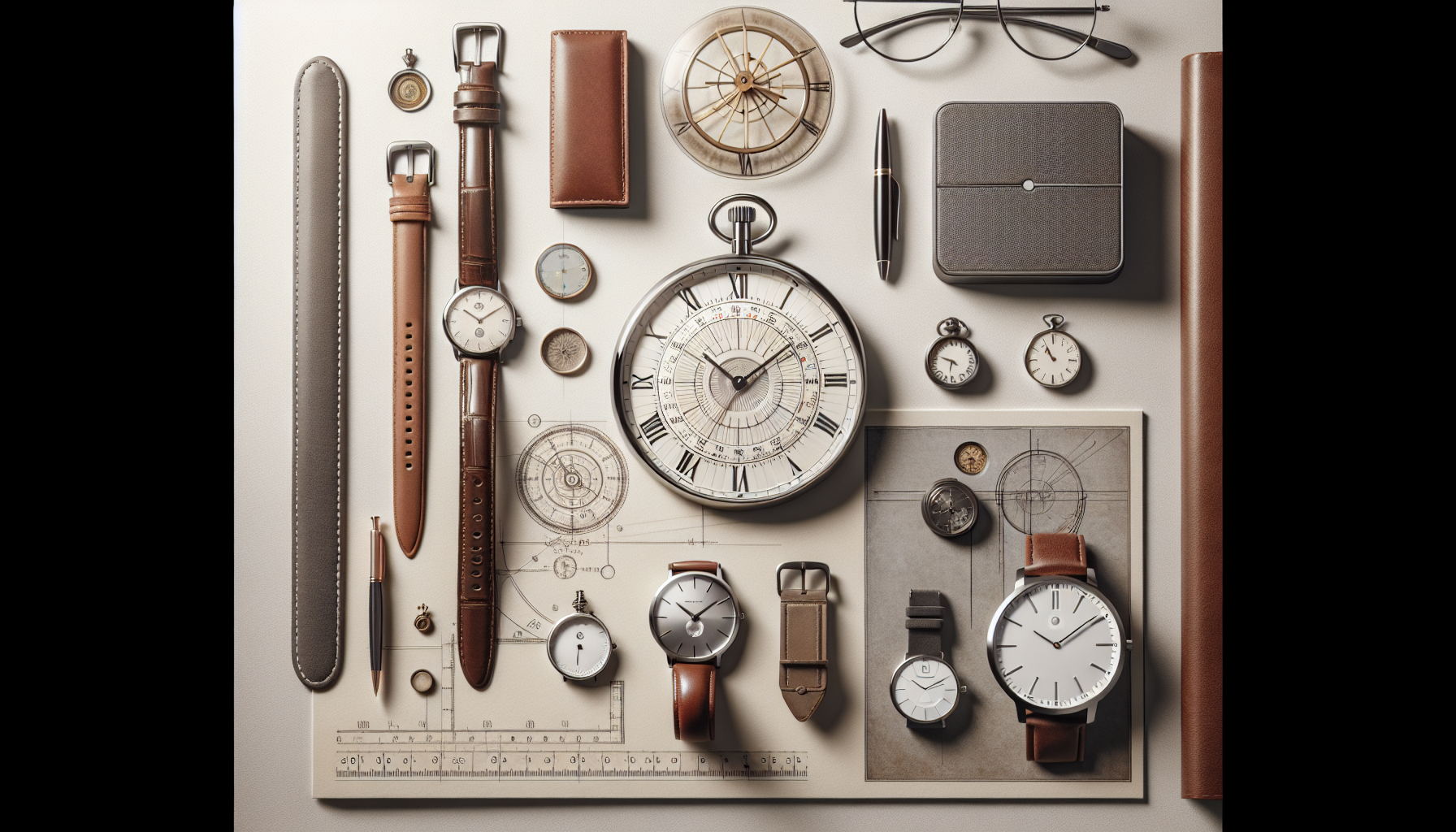
Human fascination with measuring time stretches back thousands of years. The development of clocks has shaped daily life, science, and fashion, from the first simple timekeepers to today's advanced smartwatches. By understanding the history of watches, we gain a deeper appreciation for both the design and function of the timepieces we wear and surround ourselves with today.
Historical milestones and technical advancements
- Sundials and mechanical clocks: The first clocks were sundials, used as early as ancient Egypt. Mechanical clocks were eventually developed during the Middle Ages, making accurate timekeeping possible even after sunset.
- Pocket watches revolutionize time: In the 16th century, pocket watches were introduced and became status symbols among the elite. These handmade masterpieces formed the basis for future portable watches.
- Wristwatches take over: During the 20th century, wristwatches became popular, especially among military personnel during World War I. Their practical design quickly became a must-have for the general public as well.
- Digital and electronic watches: The 1970s ushered in a new era with digital watches – simple LED screens and battery-powered precision changed the market.
-
The smartwatch breakthrough: Today, smartwatches offer not only timekeeping functions, but also fitness data, mobile integration, and health monitoring.
The evolution from sundials to digital and smart models shows that watches have always adapted to technology and societal changes. Examples of iconic models include the Patek Philippe Calatrava, Casio G-Shock, and Apple Watch – all illustrating the passage of time in their own way.
From symbol to lifestyle
Throughout history, the watch has played various roles: from status symbol and technical marvel to important accessory and smart everyday gadget. Many collectors and enthusiasts today consider classic mechanical watches a form of art, while others appreciate smart technology for its everyday functionality. Regardless of whether you prefer a classic wristwatch or an innovative smartwatch, watches connect tradition, personality, and forward-thinking – and continue to be a central part of our daily lives.
Different types of watches and their uses
In today's society, there are many different types of watches, each with its own strengths and specific uses. Understanding the differences between, for example, wristwatches, wall clocks, grandfather clocks, and table clocks will help you find the right timepiece for your needs and lifestyle. Many people look for watches that complement both function and decor – or that can withstand the demands of an active daily life, work, or sports.
Uses and pros and cons
- Wristwatches: Perfect for personal style and daily convenience. They are lightweight, portable, and range from sporty digital models to exclusive Swiss movements. Examples: A robust fitness watch with a heart rate monitor for runners, or a classic leather strap watch for the office.
- Wall clocks: Ideal for homes, offices, or public spaces where time needs to be easily visible to many. Choose between modern minimalist designs and traditional models with clear numerals.
- Grandfather clocks: A timeless and decorative feature in the home. Best suited for larger rooms where their distinctive ticking becomes part of the atmosphere.
-
Table clocks: Convenient for workplaces and bedrooms. Often offer extra functions, such as alarms or temperature display, and are easy to move as needed.
It's important to consider that wristwatches offer maximum freedom of movement, while stationary clocks like wall clocks and grandfather clocks enhance a room's character but don't always offer the same flexibility.
When are different types of watches best suited?
The choice of watch should be guided by both practical and aesthetic needs. For an active person on the go, a sports wristwatch is unbeatable, while families with children often prefer clear wall clocks in the kitchen. Grandfather clocks can create elegance in the living room and make a distinct impression in old-fashioned or classic settings. Table clocks are perfect for the desk, for those who want time close at hand yet discreet.
By reflecting on the situations in which the watch will actually be used, you avoid common mistakes and invest in a timepiece that both simplifies daily life and enhances your style. With the right choice, you'll utilize the full potential of watches and benefit from their functionality, whether you prioritize precision, design, or simplicity.
How to choose the right watch – A guide for different needs
Finding the right watch is not just about keeping time – it's also a matter of style, function, and personal taste. In Sweden's wide selection of both wristwatches and smartwatches, the choice can feel overwhelming. Therefore, in this section, we highlight the most important factors to consider for those who want to find the perfect watch, whether you're looking for something classic or modern.
What to consider when choosing a watch
-
Style and area of use: Choose a design and color that suits your lifestyle. A discreet and elegant watch is suitable for parties or business meetings, for example, while a robust sports watch is suitable for outdoor activities or training.
-
Function and additional features: Consider whether you want smart features like heart rate monitoring and notifications, or if a traditional mechanical movement is sufficient.
-
Budget and material: The price varies greatly between different watches depending on both materials (such as steel, titanium, or plastic) and brand. Set a budget before you start looking to easily compare alternatives.
-
Fit and comfort: Measure your wrist circumference to find the right size – too large cases can feel clunky, too small can look disproportionate.
Many people forget to try on the watch before buying. Take your time to try on different models, preferably in a store, and see how they look and feel. Adjust your choice based on whether you work a lot at a computer or are physically active.
The right watch for the right occasion
A smart approach is to adapt your watch choice to the occasion. It might be wise to own several watches with different purposes: a stylish and thin watch for formal occasions, a durable model for everyday use, and a practical smartwatch for training. For example: a classic dress watch is often suitable for weddings or parties, while a branded watch with more technical features is optimal for those who want to keep track of their health and activity. Also consider whether you want a leather, link, or silicone strap – the choice affects both comfort and expression.
By considering these aspects, you increase your chances of being satisfied with your purchase and can truly enjoy your watch every day. Whether you're looking for timeless elegance or modern functionality, there's a model that suits you.
Watch brands and popular models in the Swedish market
Choosing the right watch brand can feel overwhelming given the wide selection, especially in the Swedish market where both luxurious and affordable options exist side by side. Many people look for watches that combine quality, design, and reliability. In this section, we review some of the most well-known brands and popular models that Swedes often choose – as well as unique features that distinguish them.
Leading brands and their characteristics
Sweden offers a range of both international luxury brands and more everyday options:
-
Omega: Known for its Swiss precision and classic models such as the Seamaster and Speedmaster. Omega is often associated with exclusivity and high quality.
-
Rolex: The symbol of status and innovation. Models such as the Submariner and Datejust are sought after by both collectors and everyday users.
-
Daniel Wellington: A Swedish brand that has achieved cult status thanks to its sleek and timeless design. Perfect for those looking for an elegant and affordable watch.
-
Casio: Popular for its digital watches, especially the G-Shock series, known for its robustness and multifunctionality – excellent for work, leisure, and sports.
-
Seiko and Tissot: Popular choices due to their affordability and reliability, with both analog and digital options.
Anyone looking for a watch based on budget, style, and functionality can easily find a suitable option among these brands.
Popular models for different needs
Finding the right model often involves matching the watch to its intended use:
-
For the office: Daniel Wellington's Classic Collection and Tissot PR100 make an elegant and professional impression.
-
For adventure and leisure: Casio G-Shock and Seiko Prospex are durable choices with features suitable for outdoor life.
-
Luxury and status: Omega Seamaster or Rolex Datejust signal timeless elegance and exclusivity. These models often become appreciated investments over time.
In the Swedish market, the combination of style, function, and price is crucial. Many also seek service-friendly and durable models that can withstand the rigors of everyday life. Choosing a watch from a reputable brand not only provides a stylish exterior but often also the benefit of readily available Swedish warranty service and support.
Conclusion and unique perspectives
The wide selection of watch brands and models makes it easier than ever to find a watch that reflects your personality and matches your lifestyle. By trying different brands and reading about specific models, you'll have the best conditions to find a long-lasting favorite. Remember: you'll truly enjoy your investment when the watch meets your functional requirements and becomes a natural part of your daily life.
Maintenance and care of watches – Practical tips
Properly caring for and maintaining your watch is crucial for its longevity and function. Many overlook simple care tips, which can lead to unnecessary problems and costs. By following some proven routines and being aware of common mistakes, you can enjoy your watch for many years to come. Here, we cover both basic and advanced tips for taking care of classic wristwatches as well as modern smartwatches.
Care advice for long lifespan
- Cleaning: Clean the watch regularly with a soft cloth and, if necessary, a damp cotton swab for dirty details. Avoid strong chemicals, especially on leather straps.
- Battery replacement: Don't wait until the watch stops completely – replace the battery at the first sign of weak timekeeping or blank dials. It's often best to let a certified watchmaker replace the battery to ensure that the sealing gaskets remain intact.
- Service intervals: Mechanical and automatic watches should be serviced every 3–5 years. For smartwatches, it's important to keep the software updated and check the condition of the charging contact.
-
Water protection: Check the water resistance after each battery change or service if you use the watch near water. This applies especially to dive watches and sports models.
Many overlook the fact that a small scratch or moisture under the crystal can lead to serious problems. By being proactive and meticulous with maintenance, you avoid expensive repairs and depreciation of exclusive watches.
Common mistakes and clever tricks
A common pitfall is wearing the watch at inappropriate times, for example, when exercising intensely with a delicate wristwatch, or swimming with a watch that is not guaranteed waterproof. Other mistakes include storing watches in direct sunlight or dusty areas, which negatively affects both the battery and the movement.
To protect your watch, you can use a special watch case when traveling and invest in a watch box at home. Also consider screen protectors for smartwatches. Through small but consistent efforts such as cleaning, proper storage, and planned service visits, you ensure that your watch – regardless of model – remains as beautiful as when purchased. This also helps maintain its resale value, which is particularly important for collectible watches and the premium segment.
Trends and the future of watches – innovation and development
The watch industry is at an exciting stage where technological advancements, sustainability requirements, and new design ideals are driving development forward. More and more consumers are demanding watches that combine tradition and digital functionality, while environmental impact and material choices are coming into focus. In this section, we delve into the most important trends and the future of watches, based on the market's latest insights and leading watch brands' innovations.
Current trends in design, environment, and function
- Sustainability and eco-friendly materials: More brands are investing in recycled metals, vegetable leather straps, and eco-certified manufacturing processes. For example, the Swedish brand TRIWA has developed watches made from ocean plastic and recycled steel, while others focus on vegan straps.
- Not just classic – unique design and personal expressions: More and more people are choosing watches with colorful details, unusual case shapes, and personalized engraving options. This increases the opportunity to stand out and show off one's own style.
-
Smart features and hybrid watches: Smartwatches, such as Apple Watch and Samsung Galaxy Watch, offer features like heart rate monitoring, GPS, and contactless payments. Hybrid models like Withings and Garmin combine analog aesthetics with smart features and are suitable for both tech enthusiasts and those who prefer a discreet look.
At the same time, demand is increasing for specialized watches for training, health, and various leisure activities, where integration with mobile apps and health analysis continues to develop rapidly.
Future outlook and the impact of technology
Moving forward, the development of watches is expected to move towards even more sustainable solutions, better battery life, and more integrated functions for everyday life and health. We already see tendencies towards even smarter hybrid models with advanced tracking capabilities, while movements and classic craftsmanship continue to hold their rightful place among collectors and enthusiasts.
The combination of technology, environmentally friendly thinking, and innovative design means that future watches will truly be a personal accessory choice, adapted to both needs and values – a trend that is likely to continue to dominate in the coming years.
Frequently Asked Questions
Q: What is the most important thing to know when buying a watch?
A: The most important thing is to identify your needs and priorities – do you want a classic accessory, a practical work tool, or an advanced smartwatch? Look at factors such as style, features, materials, water resistance, and budget. Also considering how and when the watch will be worn ensures that you choose a model that truly suits your lifestyle.
Q: How have watch trends changed in recent years?
A: In recent years, trends have shifted towards a greater focus on sustainability and personal customization. Smartwatches and hybrid watches are constantly growing in popularity due to their digital functions, but at the same time, we see a resurgence of retro designs and mechanical movements. Many people prefer watches that combine style, environmental consciousness, and technological innovations.
Q: What are the most common mistakes in watch maintenance?
A: A common mistake is forgetting regular cleaning or swimming with a watch that is not waterproof. Many postpone battery replacements or service, which can lead to wear and damage. Other mistakes include storing watches in humid environments or not using protection when exercising. Following instructions and using the right tools is crucial for a longer lifespan.
Q: What resources or tools are recommended for choosing and caring for watches?
A: To choose the right watch, you can use wrist sizers and digital guides from leading retailers. Websites like Hodinkee, Watchuseek, and Swedish forums contain a wealth of reviews and expert opinions. For maintenance, it's good to invest in a soft polishing cloth, tools for strap adjustment, and to stay in contact with a professional watchmaker for major service needs.
Q: How can I best get started if I want to start collecting or using watches?
A: Start by researching different types of watches, get inspiration from online guides, and try simpler models before investing heavily. Write down what you want from your watch – is it style, function, or technology? Try models in stores or ask for tips in Swedish watch forums. Don't be afraid to ask experts and dare to try different styles to find what suits you.
Q: Can I maintain my watch myself, or is a watchmaker always needed?
A: You can handle simpler maintenance yourself, such as cleaning and basic battery replacements (if you have the right tools). However, it is recommended to leave the servicing of mechanical movements or waterproof watches to a professional watchmaker, to avoid damage and maintain the warranty.
Final thoughts: Find and care for your perfect watch
By understanding the fascinating history of watches, the uses of different types, and what distinguishes different brands, you will gain invaluable knowledge for your next watch purchase. Knowing how to choose the right watch based on style, function, and budget – and how to care for it for a long lifespan – will make you a conscious and satisfied user, whether you prefer a classic wristwatch, a digital source, or an innovative smartwatch.
Now it's your turn to explore the world of watches and find a model that suits your needs and daily life. Do you have your own experiences, questions, or tips regarding watches? Please share them in the comments – together, we can inspire more people to find and care for their dream watch. Your engagement makes a difference and helps others in their choice!