

Chibi figures are everywhere in anime and manga, charming hearts with their unique appeal and style. Many are surprised to learn that the secret to their widespread success isn't just about their appearance. Research shows that the baby schema effect makes us unconsciously want to care for these small characters due to their large eyes and tiny bodies. Suddenly, it becomes clear why chibi figures have quickly become beloved and spread to cultures far beyond Japan's borders.
Table of Contents
- What are Chibi Figures? A Definition
- The Origin and History of Chibi Figures
- Why Chibi Figures are Popular Across Different Cultures
- How Chibi Figures Are Used in Art and Collections
- The Most Famous Chibi Characters and Their Impact
Quick Summary
| Takeaway | Explanation |
|---|---|
| Chibi figures are stylized and cute | They are characterized by proportionately large heads and small bodies. |
| Chibi style communicates complex emotions | Through exaggerated facial expressions, they convey deep emotions effectively. |
| Popular across multiple cultures | Chibi figures have a universal appeal that unites people worldwide. |
| Used in various media | The chibi style has spread to games, merchandise, and cosplay. |
| Famous chibi characters include Pikachu and Goku | These characters have become symbols of the chibi aesthetic and pop culture icons. |
What are Chibi Figures? A Definition
Chibi figures are a unique and charming animation style originating from Japanese culture, loved worldwide by anime and manga enthusiasts. The term "chibi" originally comes from Japanese and describes something extremely small or miniature, which perfectly represents this special aesthetic style.
Characteristic Features of Chibi Figures
Chibi figures are distinguished by their extremely exaggerated proportions and cute appearance. Some of the most important characteristics include:
- Disproportionately large head compared to the body
- Extremely large and expressive eyes
- Very short and thick limbs
- Minimal facial features and details
- Strong emphasis on emotional communication through exaggerated facial expressions
Below is a table that summarises the key characteristics of chibi figures for quick reference and comparison.
| Feature | Description |
|---|---|
| Head size | Much larger than body proportions |
| Eyes | Extremely large and expressive |
| Limbs | Short and often thick |
| Facial details | Minimal, often simplified |
| Body language | Strong emphasis on emotion and exaggerated facial expressions |
| Overall impression | Cute, charming, and immediately appealing |
| Area of use | Anime, manga, games, merchandise, cosplay |
Origin and Cultural Significance
According to research from Wikipedia, the chibi style originated in Japanese pop culture and has evolved as a way to make characters more expressive and emotional. The style is used not only in anime and manga but has also spread to other areas such as games and merchandise.
Chibi figures have an amazing ability to convey feelings and expressions by exaggerating proportions and facial expressions. They represent not only a visual stylistic device but also a deep cultural form of expression that communicates emotion and storytelling in a unique way. By simplifying and miniaturizing characters, an immediate sense of cuteness and charm is created that appeals to people all over the world.
The Origin and History of Chibi Figures
The history of chibi figures is closely linked to Japanese animation culture and its development during the second half of the 20th century. The style emerged as a creative expression within manga and anime, where artists wanted to create more playful and emotionally expressive character representations.
Historical Roots in Japanese Pop Culture
Originally, the chibi style was used as a way to make characters more humorous and emotional. Artists in anime and manga discovered that by exaggerating proportions and simplifying details, they could communicate complex feelings and situations in a more direct and immediate way. The term "super deformation" (abbreviated SD) began to be used to describe this specific stylistic approach.
Spread and Global Popularization
According to research from Anime News Network, the chibi style quickly spread from manga and anime to other media forms. Some important areas of development included:
- Computer games and video game graphics
- Merchandise and collectible figures
- Animated films and series
- Cosplay and figure design
This unique visual style has inspired many modern creators and become a global cultural phenomenon loved by fans worldwide. The chibi style represents more than just a graphic trend - it is a creative language that communicates joy, emotion, and storytelling through its extremely simplified forms.
Why Chibi Figures are Popular Across Different Cultures
Over the years, chibi figures have established themselves as a global cultural phenomenon that transcends national and linguistic boundaries. Their popularity is based on a unique ability to communicate universal emotions and create immediate emotional connection with viewers.
Psychological Explanations for Popularity
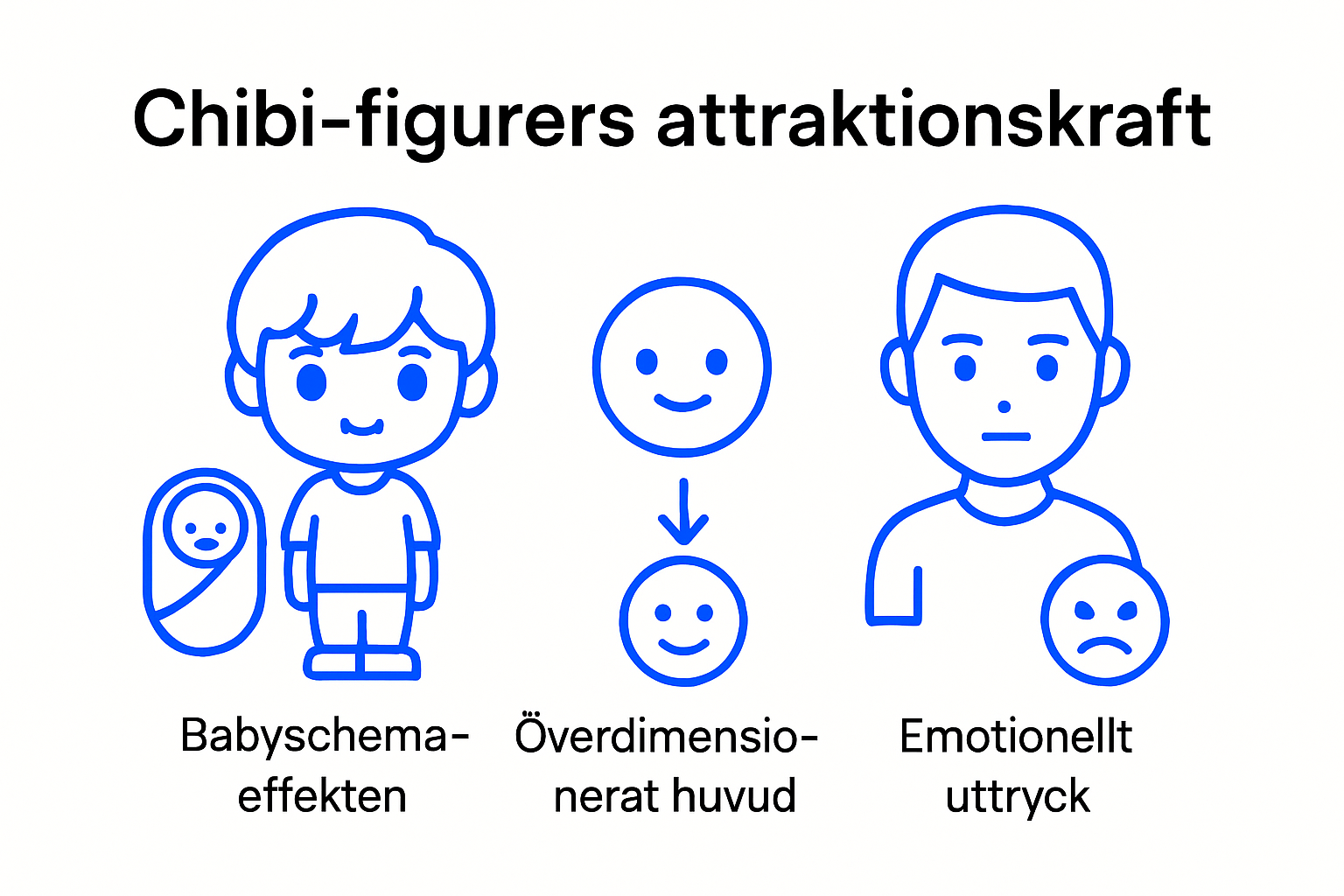
According to research from AI & Society, chibi figures activate specific psychological mechanisms that make them attractive across cultural boundaries. The baby schema effect plays a crucial role, where exaggerated childlike features like large eyes and small bodies trigger nurturing instincts and positive emotional reactions.
Some key psychological factors contributing to the charm of chibi figures include:
- Simplified communication of complex emotions
- Immediate recognition and emotional response
- Universal appeal through minimalist design
- Opportunity for humorous and playful representation
Global Cultural Spread
The chibi style has successfully crossed cultural boundaries and become a global aesthetic movement. Modern designers and creators have adopted this unique style across several creative fields such as game development, animation, and merchandise.
The universal appeal of chibi figures lies in their ability to simplify complex narratives and create immediate emotional connection. By reducing characters to their most essential expressions, the chibi style manages to communicate feelings and narratives in a way that transcends linguistic and cultural barriers.
How Chibi Figures Are Used in Art and Collections
Chibi figures have evolved from a simple animation style into a versatile artistic expression that engages collectors, artists, and creative enthusiasts worldwide. Their unique aesthetic and expressive potential have made them beloved objects across several creative disciplines.
Artistic Expression Possibilities
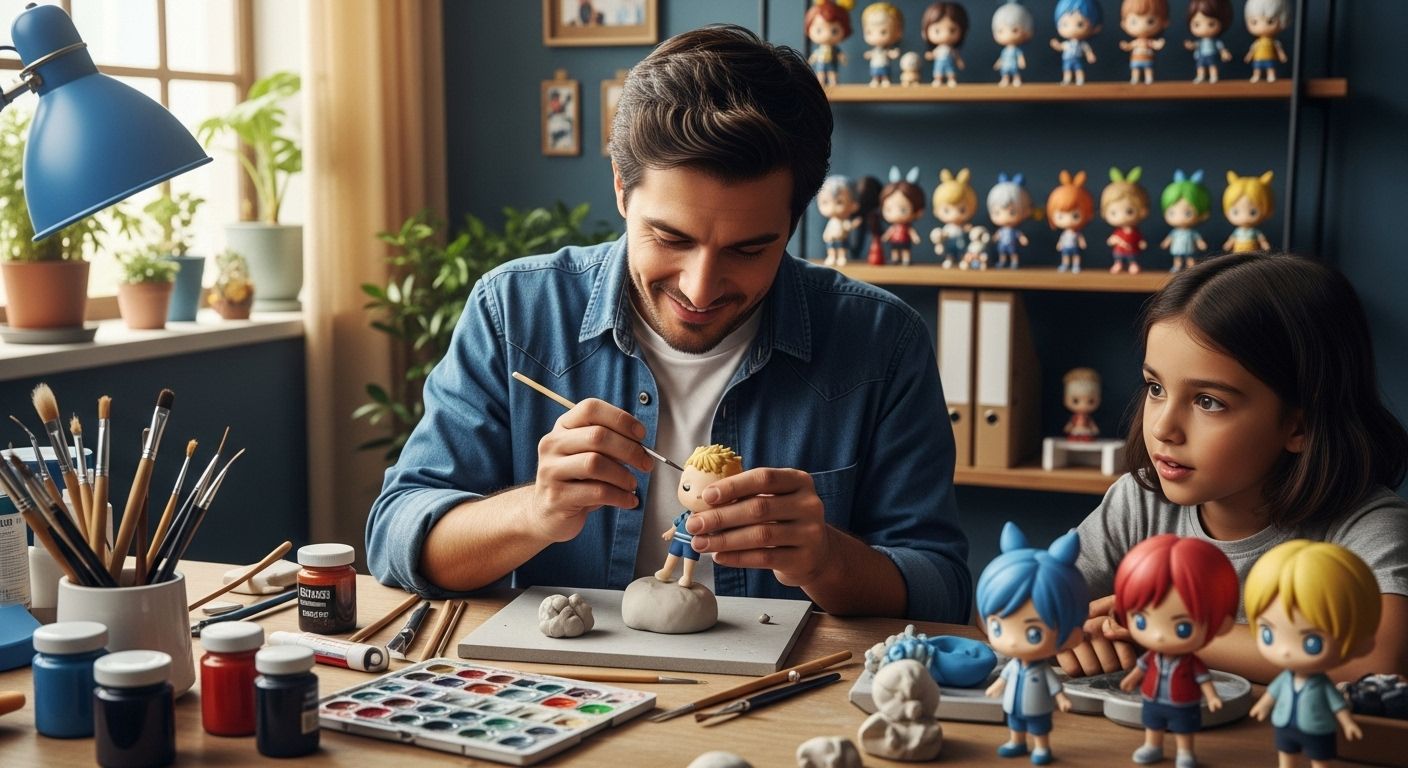
Sculptural forms and material choices play a crucial role when artists create chibi figures. Polymer clay, vinyl, and 3D-printed materials have become popular choices for creating these miniaturized characters. According to documentation from Wikimedia Commons, there is an enormous variation in how these figures can be interpreted and created.
Important artistic techniques for chibi figure design include:
- Hyperbolic proportional distortion
- Extremely detailed facial expressions
- Minimalist yet expressive body language design
- Experimental color and texture techniques
Collecting and Documentation
Chibi figures have established themselves as a respected collecting culture with global recognition. Collectors value not only the aesthetic qualities of the figures but also their cultural and historical significance. Modern creators and designers continue to explore and expand the boundaries of what chibi figures can represent.
Collectors and artists see chibi figures as more than just decorative objects - they are small stories, emotional expressions, and cultural artifacts that capture moments of creativity and human ingenuity.
The Most Famous Chibi Characters and Their Impact
Over the years, chibi characters have created a fantastic cultural impact that extends far beyond the original animation style. These miniature representations have become icons in Japanese pop culture and global entertainment media.
Iconic Characters in Anime and Manga
Japanese pop cultural figures like Pikachu from Pokémon, Naruto from the Naruto series, and SD Gundam characters have become international ambassadors for the chibi aesthetic. Their minimalist design combines expressive communication with extreme cuteness, making them beloved figures across generations.
Some of the most influential chibi characters include:
- Pikachu from the Pokémon universe
- Goku from Dragon Ball
- Sailor Moon from the Sailor Moon series
- Hello Kitty from Sanrio
- Characters from Studio Ghibli films
Here are some of the most famous chibi characters, along with their origins and impact on pop culture.
| Character | Franchise/Series | Impact/Description |
|---|---|---|
| Pikachu | Pokémon | International symbol of chibi and kawaii |
| Goku | Dragon Ball | Classic icon in anime and chibi style |
| Sailor Moon | Sailor Moon | Popular among several generations |
| Hello Kitty | Sanrio | Global icon of cuteness and minimalist design |
| SD Gundam | Mobile Suit Gundam | Known for "super deformed" mecha design |
| Studio Ghibli characters | Studio Ghibli | Beloved figures often getting chibi versions |
Cultural and Commercial Significance
According to research on kawaii computing, chibi characters have transcended their original role in animation and become significant communication tools in user experiences. Modern designers have embraced their ability to create immediate emotional connection.
Chibi characters represent more than just visual style - they are cultural ambassadors who tell stories, convey complex emotions, and create universal camaraderie through their immediate charm and recognizability.
Explore the World of Chibi Figures – Make Your Collection Unique at Robotto.se
Have you discovered the charm of chibi figures and are wondering how to take your passion to the next level? Many collectors and hobbyists recognize the challenge – you read about the history and significance of the chibi style but find it difficult to find quality figures and models with the right feel. You want to build a collection that reflects both creativity and character, but the selection often feels limited or uninspired. At Robotto.se, we meet precisely that need and offer a store filled with the latest models and figures for those seeking something out of the ordinary.
Discover a wide range of model kits, figures, and collectibles inspired by chibi characters and Japanese pop culture. Whether you're building your first Gundam or looking for the next unique collectible figure, you'll find everything in one place. Join many other fans and take the step now by visiting Robotto.se to find your next favorite item. Choose a personal figure, add it to your cart, and feel your collection grow today.
Frequently Asked Questions
What are chibi figures?
Chibi figures are a special animation style originating from Japanese culture, characterized by exaggerated proportions and cute characters, often with large heads and expressive eyes.
How do chibi figures differ from other types of characters?
Chibi figures have disproportionate bodies with large heads and eyes, focusing on communicating emotions in a playful and humorous way, which distinguishes them from more realistic character designs.
What materials are used to create chibi figures?
Chibi figures can be created with various materials, including polymer clay, vinyl, and 3D-printed materials, giving artists the freedom to experiment with design and style.
Why are chibi figures so popular worldwide?
Chibi figures are popular because they appeal to emotions through their cute and playful design. They communicate complex feelings in a simple way and have a universal appeal that transcends cultural boundaries.