

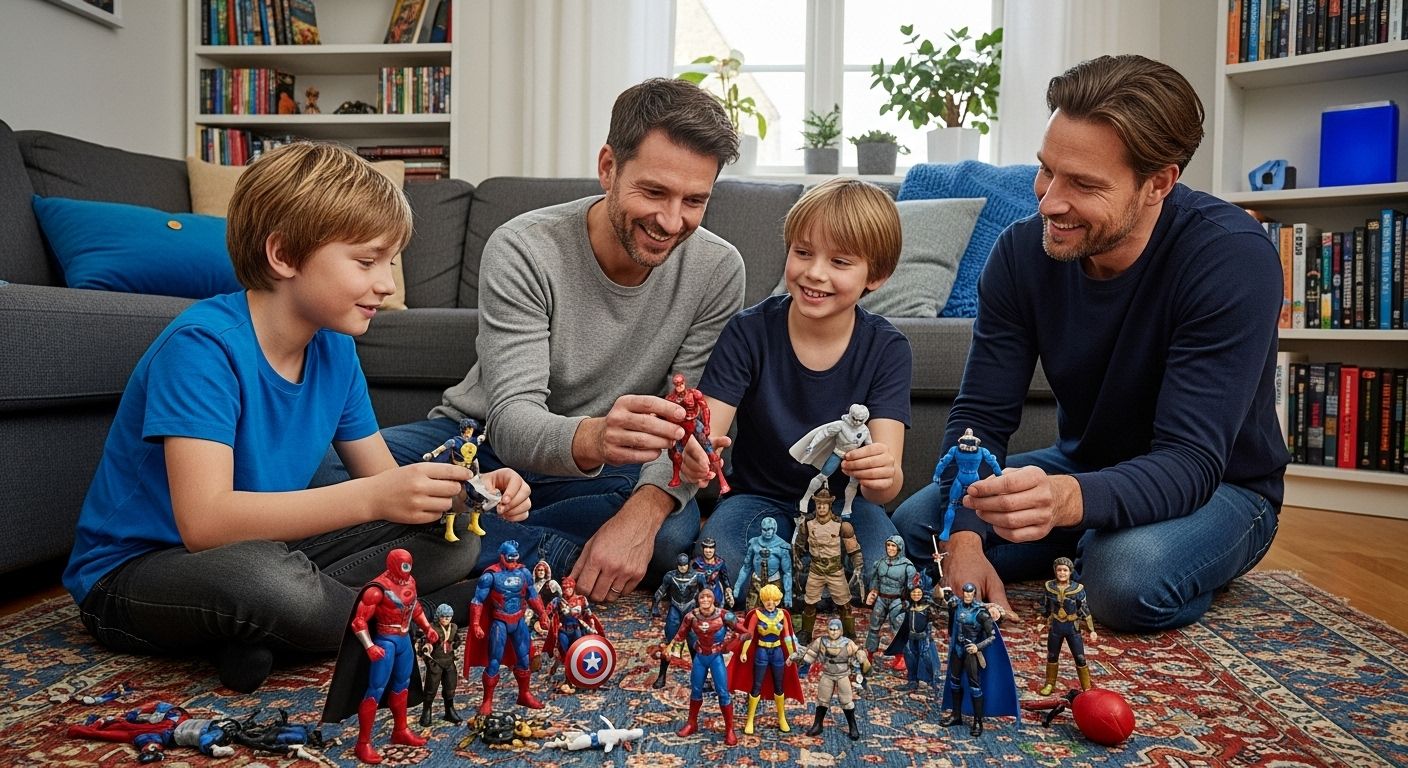
Action figures have transformed from simple toys into coveted icons worldwide. Many only know them as plastic figures on store shelves, but the truth is that some rare models sell for thousands of kronor among collectors today. Most unexpectedly, these figures shape both personal memories and our shared pop culture in ways few other objects can.
Table of Contents
- What are action figures and their history
- Why are action figures important to collectors and players?
- How do action figures manufacturing and design work?
- Key concepts in collecting and playing with action figures
- The role of action figures in popular culture and society
Quick Summary
| Takeaway | Explanation |
|---|---|
| Action figures are important collectibles | They represent nostalgia and passion for fans worldwide. |
| Storytelling through play | Action figures enable creative storytelling and role-playing for both children and adults. |
| Cultural representation | They document pop culture trends and reflect social values. |
| Complex design process | Manufacturing involves advanced techniques and carefully planned steps for high quality. |
| Social and psychological significance | Action figures support identity exploration and social interaction, strengthening community among collectors. |
What are action figures and their history
Action figures are small, detailed models of characters from various universes such as film, television, comics, games, and popular culture. These figures represent more than just toys—they are collectibles, expressions of creativity, and miniature renditions of beloved stories and heroes.
The origin of action figures
The history of action figures begins in the 1960s, when Hasbro introduced G.I. Joe, the first true action figure. Previously, such toys were called dolls, but Hasbro wanted to create something that would appeal specifically to boys. G.I. Joe was a 12-inch figure with 21 articulation points, representing various military branches, and immediately became a commercial success.
Some important milestones in action figure history include:
- The creation of G.I. Joe in 1964
- The launch of Star Wars figures in 1978
- The debut of the Transformers series in the 1980s
- Manga and anime-inspired figures from Japan
Cultural significance
Action figures have evolved from simple toys into sophisticated collectibles that represent art, nostalgia, and pop culture. They allow fans to literally hold their favorite myths and stories in their hands. Our collection of Mobile Suit Gundam figures demonstrates how detailed and authentic modern action figures can be.
Today, action figures are not just toys but also valuable collector's items, with some rare models costing thousands of kronor. They reflect our cultural imagination, tell stories through design, and give fans a way to express their passion for their favorite universes.

Why are action figures important to collectors and players?
Action figures are much more than just physical objects—they represent passion, nostalgia, and creative expression for enthusiasts worldwide. For collectors and players, these figures fulfill several important functions that extend beyond ordinary toys.
Storytelling and cultural expression
Action figures serve as small three-dimensional stories. They give fans the opportunity to recreate scenes, explore narratives, and physically interact with their favorite characters. See our guide on successful figure collecting to understand the depth of this passion.
Some main reasons why action figures are significant:
- Documentation of pop cultural moments
- Preservation of historical character designs
- Opportunity for creative storytelling and role-playing
- Investment in rare and valuable collector's items
Psychological and social significance
According to research published in PubMed, action figures represent more than just physical objects. They are symbols of identity, imagination, and personal connection. For many collectors, it's about preserving memories, expressing their passion, and creating a personal bond with stories and characters.
Modern action figures have also evolved into sophisticated collectibles that require expert knowledge of design, rarity, and historical context. Collectors invest time, money, and emotion in building unique collections that tell personal and cultural stories.
This table compares two central perspectives on the significance of action figures highlighted in the article: how they are used for storytelling and their psychological and social significance.
| Perspective | Functions / Significance |
|---|---|
| Storytelling & cultural expression | Create and recreate stories |
| Visualize pop cultural moments | |
| Role-playing and creative play | |
| Psychological & social significance | Identity formation |
| Social interaction | |
| Emotional connection | |
| Preservation of memories |
How do action figures manufacturing and design work?
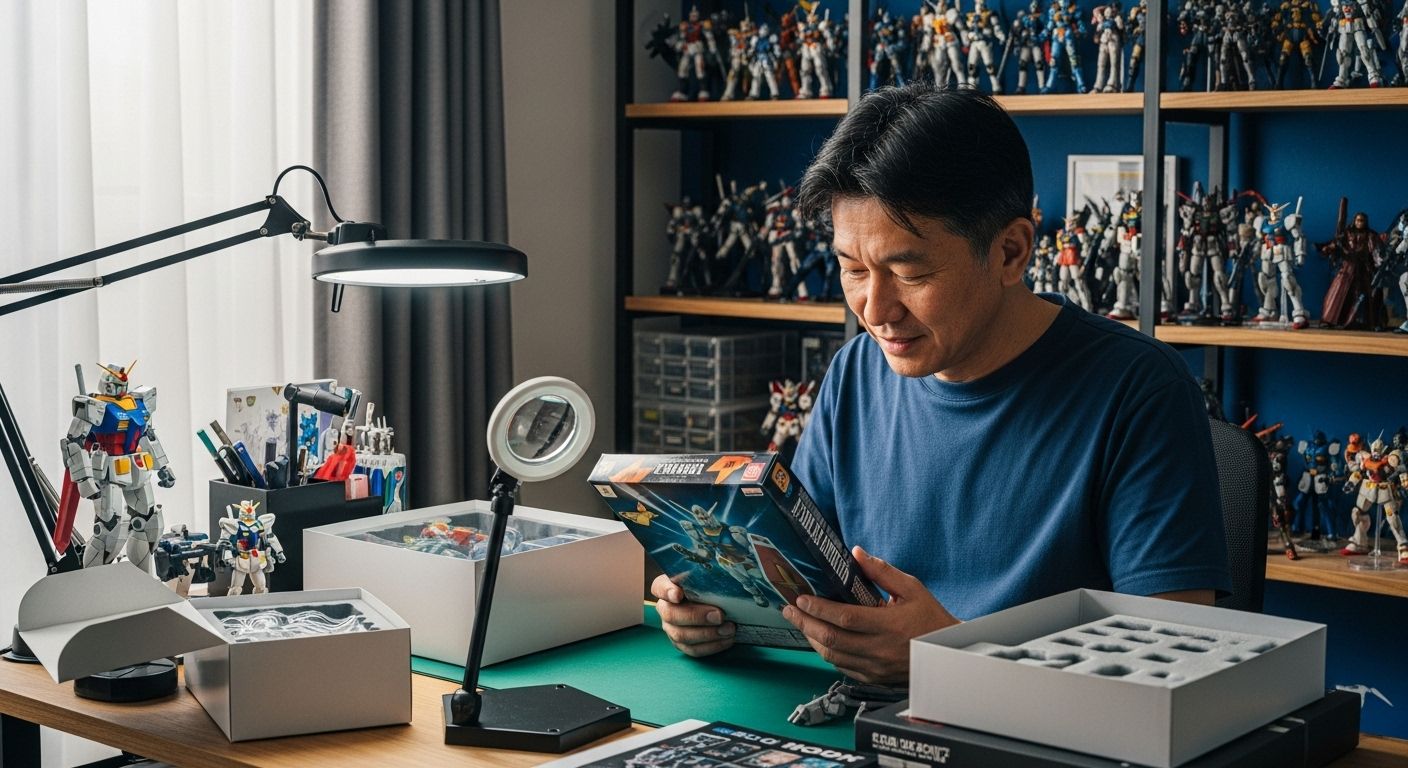
The manufacturing and design of action figures is a complex process that combines creativity, technical skill, and detailed production planning. From the first concept sketch to the finished product, each action figure goes through several carefully planned stages.
To facilitate understanding of how action figures are produced, the following table organizes the main steps in the design and manufacturing process.
| Step | Description |
|---|---|
| Conceptual sketching | Basic ideas and appearance are developed through hand-drawn sketches |
| Digital 3D modeling | Creation of highly detailed digital models for precise appearance |
| Prototyping | Development of a first physical model for review and further development |
| Detailed sculpting | Sculpting of small details such as facial expressions and accessories |
| Color and texture preparation | Preparation of painting and surface treatment for a believable appearance |
| Precision casting | Mass production of the figure's parts in various materials |
| Final assembly | All parts are assembled, and the figure is completed for sale |
The design process
Design work begins with thorough research and concept development. Designers study the source material, create detailed sketches, and develop digital 3D models that accurately reflect the character's appearance and personality. Explore our guide on modeling techniques to understand the complexity of this process.
Key steps in the design process include:
- Conceptual sketching
- Digital 3D modeling
- Prototyping
- Detailed sculpting
- Color and texture preparation
Manufacturing techniques
According to research from the Massachusetts Institute of Technology, modern manufacturing processes involve advanced techniques such as precision casting, injection molding, and highly detailed three-dimensional printing. Materials range from hard plastics and vinyl composites to specially alloyed metals, depending on the desired final product.
Modern action figures require extreme precision. Each figure consists of several separate parts that must fit together perfectly, with movable joints allowing for various poses and expressions. Manufacturers use sophisticated data models and advanced production techniques to ensure the highest possible quality and authenticity.
Key concepts in collecting and playing with action figures
Action figures represent more than just physical objects—they are complex cultural artifacts that enable creative play, storytelling, and personal expression. By understanding the underlying concepts, collectors and players can deepen their experience and appreciation.
Psychological dimensions of play
Explore our Gundam collection to see how these figures can inspire creative play. According to research from the Brookings Institution, action figures serve as powerful tools for children's development, extending beyond simple entertainment.
Key aspects of playing with action figures include:
- Narrative creation and storytelling
- Social interaction and role-playing
- Creative problem-solving
- Emotional processing
- Motor and spatial development
Collecting as cultural expression
Collecting action figures is a complex social and personal practice. It's not just about owning objects, but about creating personal museums that tell individual and collective stories. Modern collectors invest not only money, but also emotion, time, and research into their collections.
Each action figure represents a fragment of pop cultural history, a moment of creative creation, and a link between fans and their beloved universes. By collecting and playing with these figures, collectors recreate and honor stories that shape our cultural imagination.
The role of action figures in popular culture and society
Action figures are more than just toys—they are powerful cultural symbols that reflect society's values, stories, and social changes. They serve as small three-dimensional representations of our collective dreams, heroes, and myths.
Cultural representation and identity
Explore our popular figures to understand how these objects shape cultural identity. According to research from Smithsonian Magazine, action figures have a profound impact on how we perceive heroism, gender, and social roles.
Key aspects of action figures' cultural significance include:
- Representation of historical and fictional heroes
- Visualization of societal ideals
- Documentation of pop cultural trends
- Reflection of contemporary narratives
- Expression of collective imagination
Social and psychological dimensions
Action figures serve as more than entertainment—they are powerful communication tools that enable social interaction, storytelling, and identity exploration. They provide people with a way to explore complex social roles and emotional landscapes through play and imagination.
By representing heroes from diverse cultural universes, action figures contribute to a broader understanding of diversity, heroism, and individual strength. They function as small, three-dimensional stories that help us understand and navigate our complex social reality.
Bring your passion for action figures to life with Robotto.se
Have you missed a place where you can easily find exactly the action figures and models that reflect your love for pop culture and collecting? Many collectors and enthusiasts face the challenge of finding both breadth and quality, especially when figures are not just toys but carry history and emotions. At Robotto.se, you can discover an inspiring selection that gathers classic heroes, modern favorites, and exclusive rarities. Here you can build upon the stories and creative expression you just read about.
Start realizing your own collection now and find figures that truly mean something to you. Explore our range of unique collectible figures and models or read our guide on collecting and succeeding with Gunpla and other models. Visit Robotto.se today to find the next addition to your collection. Don't miss the chance to take your hobby to a new level with us!
Frequently Asked Questions
What are action figures?
Action figures are small, detailed models of characters from movies, TV series, games, and popular culture, often used as toys or collectibles.
How has action figure design evolved over time?
The design of action figures has become more sophisticated with advanced techniques such as 3D modeling and detailed sculpting, resulting in more realistic and expressive characters.
What is the significance of action figures for collectors?
For collectors, action figures represent passion, nostalgia, and creative expression. They are not just toys but also valuable collectibles that tell personal and cultural stories.
How do action figures affect children's development?
Action figures encourage creative play, narrative creation, and social interaction, promoting emotional and motor development in children.