

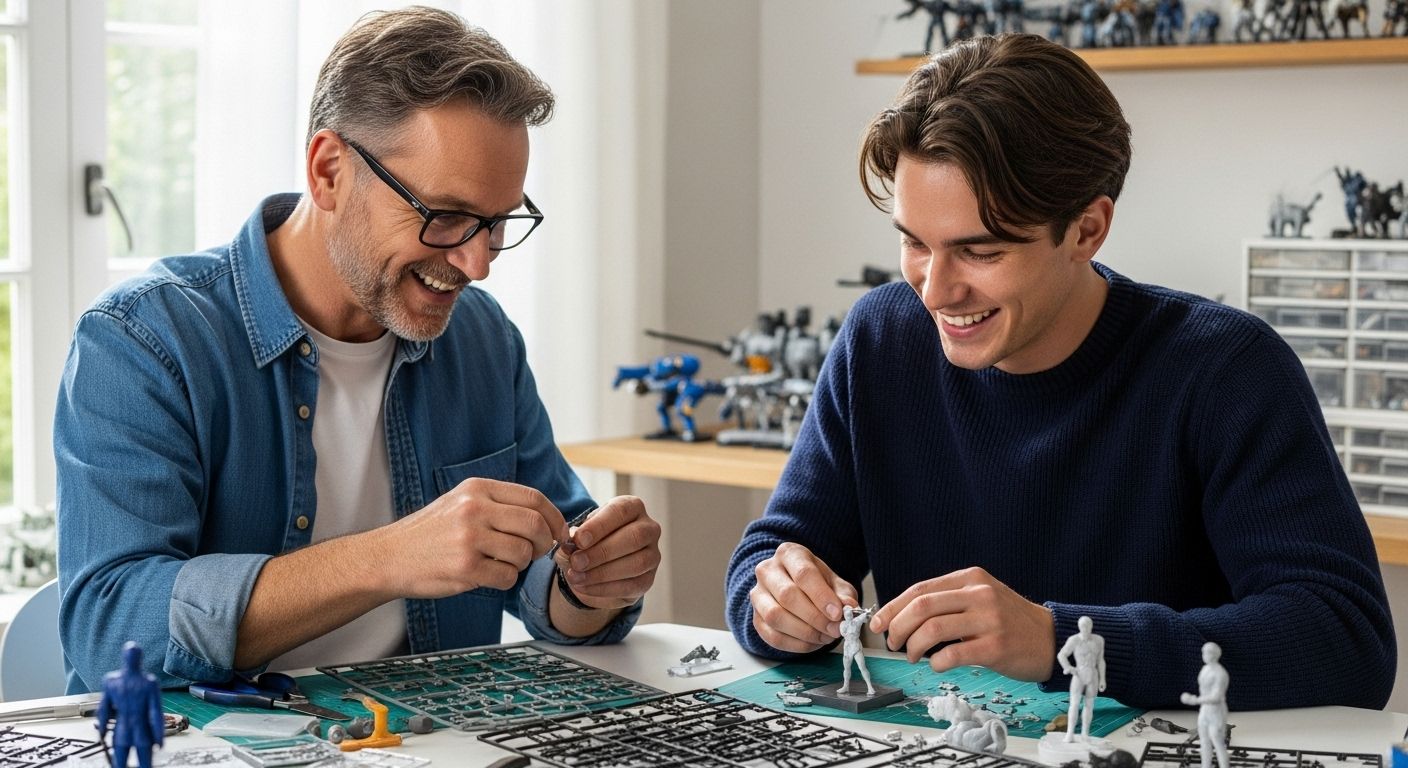
Model kits are formed from everything from plastic to metal. Plastic is actually the most common material and is used in over 90 percent of all model kits. One might think that the material only affects the appearance. But it also determines how easy the model is to build and how long it will last.
Table of Contents
- What are materials in model kits and what role do they play?
- Why is material choice important for model quality and durability?
- How do different materials affect the appearance and feel of models?
- Key concepts about materials in model kits and their use
- Practical applications of materials in model kits in various hobbies
Quick Summary
| Valuable Insight | Explanation |
|---|---|
| Material affects model quality | The choice of material determines the durability and aesthetic properties of the model. |
| Plastic is the most common material | Polystyrene offers lightness and detail, making it popular among model builders. |
| Safety in material handling is important | Proper protective equipment and ventilation are needed for safe handling of adhesives and other materials. |
| Resin is used for high detail | The material allows for extremely detailed sculptures, especially in collectible models. |
| Building techniques differ depending on the material | Each material requires specific methods for cutting, gluing, and processing for optimal results. |
What are materials in model kits and what role do they play?
Materials in model kits are the fundamental building blocks used to create detailed and authentic models in the hobby. These materials not only determine the model's final appearance and feel but also its durability, building technique, and aesthetic results.
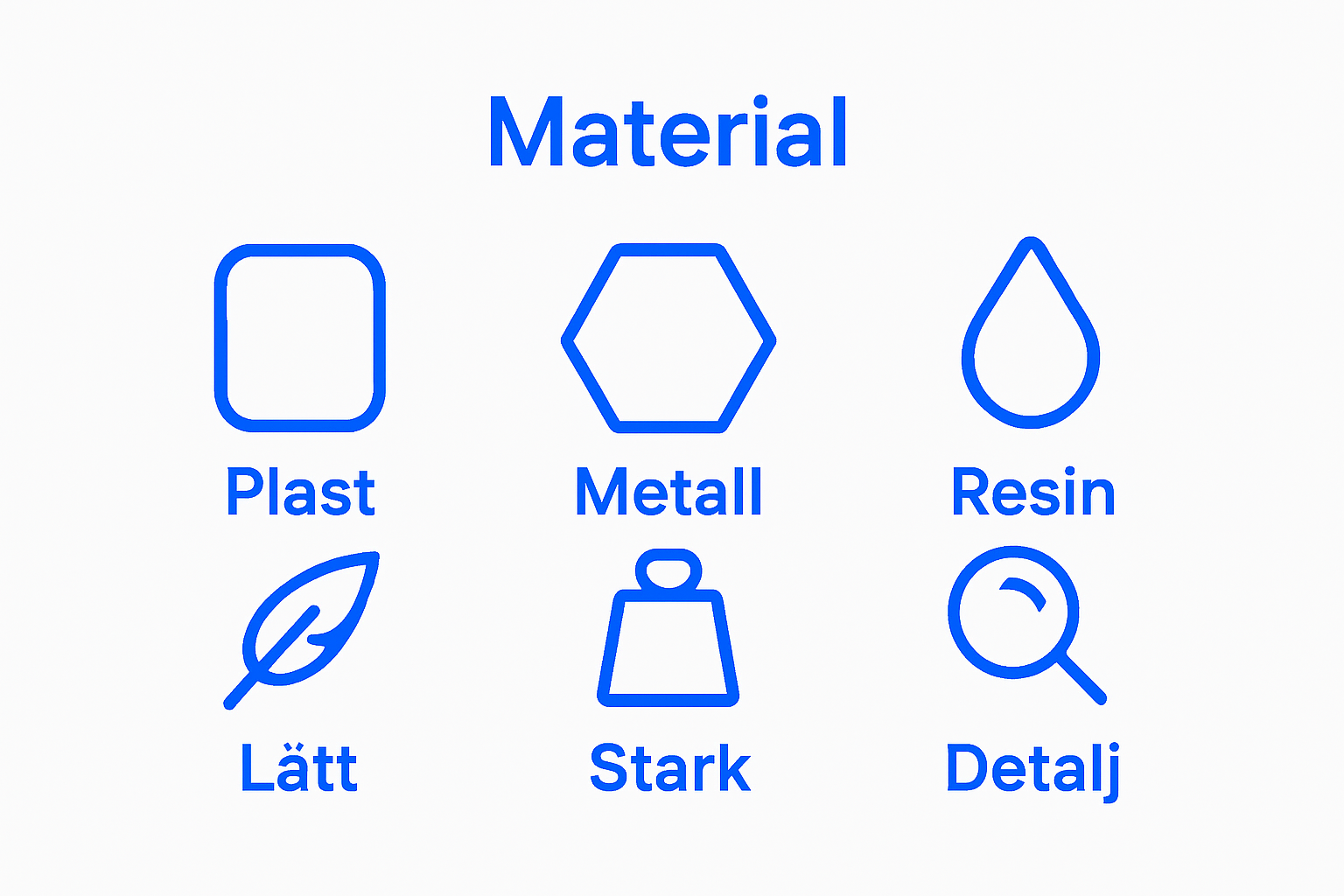
Common Materials in Model Kits
Model kits can be made from various materials, each with unique properties and applications:
-
Plastic: The most common material, such as polystyrene, offers lightness, detail, and ease of handling. According to technical articles, plastic has advantages such as easy processing and broad color compatibility.
-
Metal: Provides weight and an authentic feel, especially for military vehicles and figures. Metal parts often require specialized tools and more advanced assembly techniques.
-
Resin: A material that enables extremely detailed sculptures and figures, particularly popular in collectible models and special editions.
Material Properties and Building Techniques
The choice of material directly impacts the building process and the final result. Research reports show that injection molding is the primary production method for model kits, ensuring precision and consistency.
When choosing materials, you must consider:
- Adhesive compatibility
- Difficulty of processing
- Surface finish and level of detail
- The model's final application
For example, cyanoacrylate adhesive requires particular care and ventilation during assembly. Each material has its unique challenges and opportunities, making material knowledge crucial for successful model building.
If you wish to explore more details about model building materials, we recommend taking a closer look at specific product examples that can provide practical insights into material properties.
To facilitate comparison between the most common materials in model kits, their properties and applications are presented in the table below.
| Material | Advantages | Disadvantages | Common Use |
|---|---|---|---|
| Plastic | Light, detailed, easy to process | Sensitive to UV light and moisture | General model kits, figures |
| Metal | Provides weight, authentic feel | Requires special tools, advanced assembly | Military vehicles, details |
| Resin | Extreme detail | Fragile, sensitive to impact and handling | Collectible models, advanced figures |
| Wood | Natural appearance, easy to shape | Can deform from moisture | Model railways, traditional models |
| Balsa | Very light, easy to process | Very fragile | Airplane models |
Why is material choice important for model quality and durability?
Material choice is crucial for the overall performance, aesthetics, and longevity of model kits. Each material brings specific properties that affect the model's final result, durability, and potential applications.
Long-term Material Resistance
According to research reports from the National Park Service, plastic materials are continuously affected by external factors such as UV light, temperature, and humidity. These environmental impacts can cause:
- Structural degradation
- Discoloration
- Reduced mechanical strength
- Altered surface texture
This means that the right choice of material can prevent rapid aging and ensure the long-term quality of the model.
Properties and Performance
Different materials have unique performance characteristics that directly affect the model builder's experience and the final result. Important aspects include:
- Processability
- Coloring compatibility
- Mechanical resistance
- Detail reproduction capability
For example, plastics like polystyrene have excellent molding properties but can be sensitive to UV exposure. Metal materials offer weight and authenticity but require more advanced assembly techniques.
The critical thing is to understand each material's specific limitations and possibilities. Material knowledge is key to successful model building.
If you wish to explore practical examples of material technology, we recommend taking a closer look at our specially designed model kits that demonstrate various material properties.
How do different materials affect the appearance and feel of models?
Materials play a crucial role in defining a model's aesthetic and tactile properties. Each material type contributes uniquely to the model's visual expression, surface texture, and overall experience.
Surface Texture and Visual Perception
According to NIST research results, microscopic surface properties affect how light is reflected and how materials are visually perceived. Different materials offer varying gloss, texture, and detail reproduction capabilities:
- Plastic: Smooth and consistent surface
- Metal: Natural metallic luster
- Resin: Extremely fine level of detail
The surface texture determines how light is dispersed, directly affecting the model's visual depth and authenticity.
Aesthetic Impact of Material Properties
Each material has unique characteristics that shape the model's final appearance:
- Color absorption and reflection
- Transparency and translucency
- Surface microstructure
For example, polystyrene absorbs and reflects color differently compared to metallic materials, creating completely distinct visual expressions. Material choice is crucial for achieving the desired aesthetic effect.
Metallic materials provide a weight and authenticity that plastic cannot reproduce, while resin materials allow for extremely fine details that are almost impossible with other materials.
If you wish to explore visual material differences in practice, we recommend taking a closer look at our specially designed model examples that showcase the unique properties of the materials.
Key concepts about materials in model kits and their use
Model kits represent a complex interplay between material choice, technical properties, and creative potential. Understanding these key concepts is crucial for successful model building and optimal material usage.
Material-specific Manufacturing Techniques
According to research results from Rochester University, there are specific manufacturing techniques for different materials that require unique knowledge:
- Solvent welding for polystyrene
- Precision casting for metal parts
- Photopolymerization for resin materials
Each material technique has its specific requirements regarding composition, processing, and final finish.
Safety and Handling Guidelines
Model building involves important safety considerations when handling materials:
- Correct ventilation
- Protective equipment during gluing
- Temperature and humidity control
- Handling of potentially harmful substances
For example, cyanoacrylate adhesive requires particular care and appropriate protective equipment. Safe material handling is as important as the building process itself.
Technical material properties such as melting point, chemical stability, and mechanical strength play crucial roles in model construction. Professional model builders understand how these properties affect the final result.
The table below summarizes important safety measures and requirements when working with different materials commonly found in model building.
| Material | Safety Measures | Specific Processing Requirements |
|---|---|---|
| Plastic | Ventilation, protective gloves | Avoid inhaling dust, correct adhesive |
| Metal | Safety glasses, gloves | Special tools, temperature control |
| Resin | Mask, gloves, ventilation | Avoid skin contact and dust |
| Wood | Dust mask, good ventilation | Protect from splinters, use sanding block |
| Adhesives/chemicals | Ventilation, disposable gloves | Store cool and dry, follow instructions |
If you wish to explore practical material techniques, we recommend taking a closer look at our specially designed model kits that demonstrate advanced material application techniques.
Practical applications of materials in model kits in various hobbies
Model kits are used in several hobbies and require specific material expertise to achieve optimal results. Each hobby places unique demands on material selection, processing, and final presentation.
Model Making in Various Hobby Areas
According to the National Model Railroad Association, material techniques vary depending on the hobby:
- Model railroading: Combination of styrene and wood
- Airplane models: Lightweight materials such as balsa
- Military vehicles: Metal parts and precision manufacturing
- Figures and character models: Resin and special plastics
The choice of material defines the model's authenticity and level of detail in the respective hobby.
Safety and Technical Considerations
Different materials require specific safety measures and handling techniques:
- Ventilation during plastic processing
- Protective equipment during metal treatment
- Temperature and humidity-controlled work surfaces
- Special tools for specific materials
For example, ABS plastic generates more microparticles than PLA during processing, which emphasizes the importance of proper protective equipment.
Professional hobbyists understand that material knowledge goes beyond simple assembly and involves mastering each material's unique properties and potential.
If you wish to explore advanced model manufacturing techniques, we recommend our special guides that provide deeper insight into material applications.
Transform your model building experience with the right materials from Robotto.se
Have you noticed that the wrong choice of materials can sabotage both the result and durability of your building project? In the article "Materials in Model Kits: Understanding and Significance," we discuss how plastic, metal, and resin affect both appearance and feel, and how material knowledge can elevate your model to a new level. Many hobbyists encounter problems such as difficult-to-process parts, poor fit, and surfaces that do not take paint correctly. At Robotto.se, you will find model kits and accessories that have already been selected for optimal quality and buildability. Explore the range where you can easily compare material properties and find exactly what suits your next project.
Invest in materials that last and enhance the result. Visit Robotto.se and let our expertise and assortment help you take the next step in your model building. Discover our latest model kits and accessories and start creating models that truly impress today. Place your order now and feel the difference from your very first build.
Frequently Asked Questions
What are the most commonly used materials in model kits?
The most commonly used materials in model kits include plastic (especially polystyrene), metal, and resin. Each material has its own properties that affect the module's level of detail and durability.
How does the choice of material affect the quality of the model?
The choice of material affects the model's aesthetic appearance, durability, and building technique. For example, plastic may be easier to work with, while metal provides weight and authenticity.
What are the most important properties of plastic materials?
Plastic materials, such as polystyrene, offer good detail reproduction and are easy to process, but can be sensitive to UV light and humidity, which can affect their long-term durability.
What should I consider when working with metal materials?
Working with metal materials often requires specialized tools and advanced assembly methods. It is also important to use correct protective equipment and to work on a controlled work surface.