

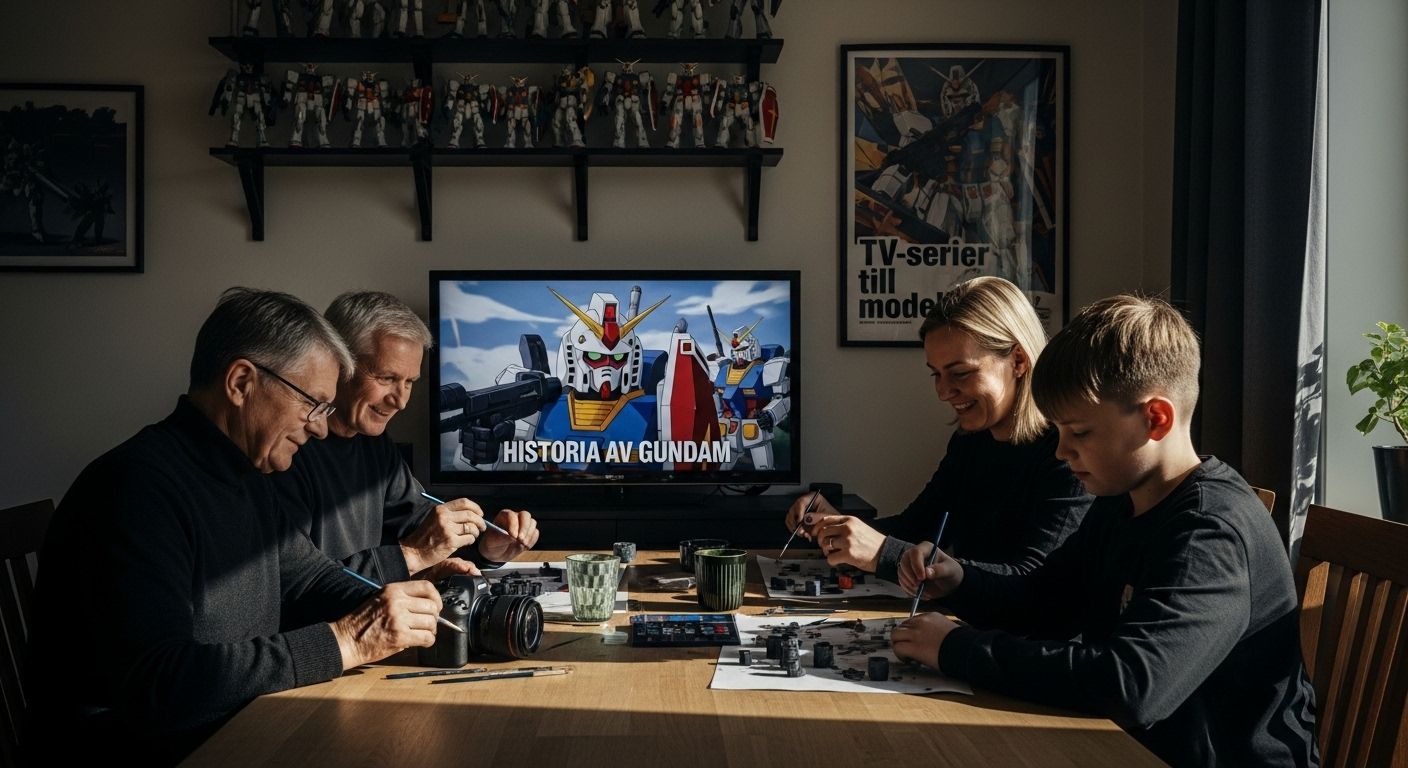
Gundam began as an unknown TV series and has today grown into a worldwide phenomenon. It sounds incredible, but the fact is that over 500 million Gundam models have been sold worldwide. Yet, it's truly surprising how Gundam has not only conquered the TV screen – it has also transformed model building into an art form and united generations of fans in ways no one expected.
Table of Contents
- How Gundam Started and Grew
- Gundam Models and Collector Culture in Sweden
- Gundam in Games, Cosplay, and Popular Culture
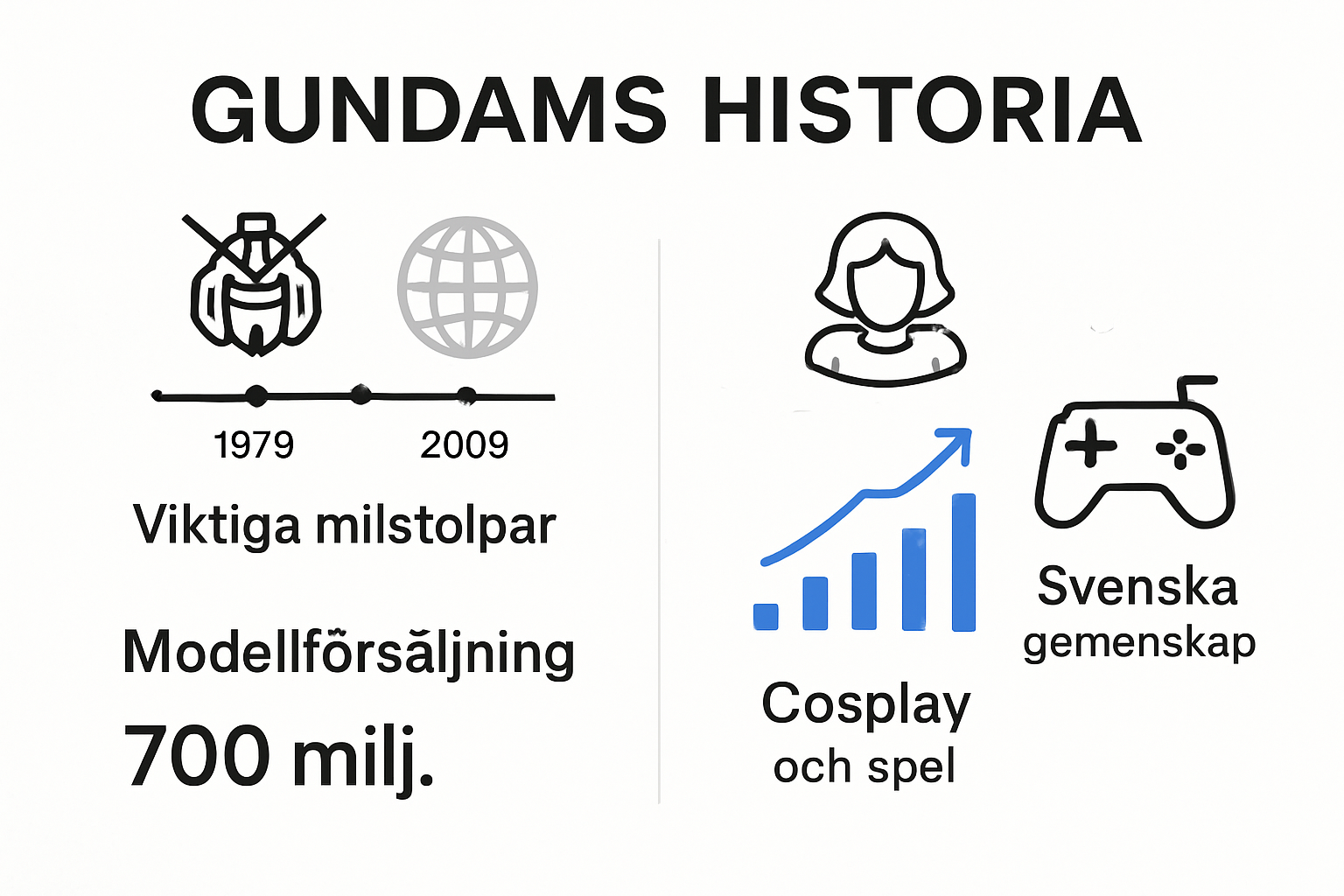
Quick Summary
| Takeaway | Explanation |
|---|---|
| Gundam revolutionized anime and model building. | The series introduced human emotions into robot stories, revitalizing the genre. |
| Collector culture in Sweden is growing rapidly. | Enthusiasts of all ages unite through their passion for Gundam models. |
| Cosplay creates a new art form. | Fans meticulously recreate characters and robots, demonstrating creativity and dedication. |
| Video games expand the Gundam universe. | Games offer interactive experiences where players can control robots and battle. |
| Gundam also influences popular culture and design. | Themes from the series reappear in other cultural and philosophical contexts. |
How Gundam Started and Grew
Gundam is more than just a series of robots. It is a cultural movement that has transformed how we view mechanical stories and model building. The history of Gundam begins in the mid-1970s, when Japanese creators introduced a completely new type of science fiction storytelling that would change the entertainment industry forever.
The Origin of a Revolution
It all started in 1979 when the first Mobile Suit Gundam TV series was launched. Unlike previous robot series, Gundam focused on something completely unique: human characters and their complex emotional journeys amidst a gigantic mechanical war. The series was created by Yoshiyuki Tomino, who wanted to portray robots as more than just fighting machines – they were extensions of human emotions and conflicts.
Initially, the series was met with a relatively lukewarm reception. Viewership figures were not impressive, and many believed the project would fade into obscurity. But something magical happened. Fans began building their own models, intensely discussing the series, and creating a community that would grow stronger every year.
The Golden Age of Model Building
When guides for model builders became popular, the Gundam phenomenon exploded. Bandai realized the potential and began producing detailed plastic models called Gunpla. These models were not just toys – they were works of art that fans could build, paint, and customize to their liking.
During the 1980s and 1990s, Gundam evolved from a single TV series into an entire universe. New series were introduced, each with its own unique mech robot designs and stories. Fans could choose from dozens of different models, from simple kits for beginners to extremely detailed versions for experienced collectors.
Today, Gundam is more than a franchise – it is a global cultural movement that unites people across generations. From young boys building their first model to adult collectors creating sophisticated displays, Gundam has fostered a community that loves creativity, technical skill, and storytelling.
Before Gundam, there were robot series. After Gundam, everything changed.
Gundam Models and Collector Culture in Sweden
Gundam models have established a fascinating and growing collector culture in Sweden, where enthusiasts from different ages and backgrounds unite through their passion for these impressive mechanical masterpieces. This cultural trend has grown from a niche hobby into a respected art form that attracts both young enthusiasts and experienced collectors.
A Unique Hobby Takes Shape
In Sweden, Gundam models have evolved from simple plastic kits into sophisticated collector's items that require skill, patience, and creativity. Collectors invest not only money but also time and personal passion into each model. Explore our model building tips to understand the depth of this fascinating hobby.
Young Swedish model enthusiasts see Gundam as more than just a construction challenge. For them, each model represents a story, an art form where every detail and color choice tells a unique narrative. Complex kits with hundreds of parts demand accuracy and precision, attracting individuals who love technical challenges and creative expression.
Community and Passion
What truly distinguishes the Swedish Gundam collecting culture is its strong community. Enthusiasts meet at local gatherings, share knowledge online, and create networks that extend beyond traditional hobby groups. These collectors exchange not only models but also techniques, painting methods, and personal stories about their favorite series.
It is especially interesting how this hobby has evolved from a youth activity into a respected form of adult art. Many Swedish collectors have enormous collections of meticulously restored and customized models that are presented as true art installations. Some models can be so detailed and unique that they are almost regarded as individual works of art.
Technological advancements have also influenced the Gundam model culture. With 3D printing and advanced painting techniques, collectors can create even more impressive and personalized versions of their robots. This has led to a dynamic and constantly evolving hobby that attracts creative minds.
For many Swedish enthusiasts, Gundam models are not just about building a robot. It's about the story behind each model, the technical challenges in construction, and the joy of creating something unique. From beginners to experts, this hobby continues to inspire and unite people through shared passion and creativity.
Here is a summary table illustrating the evolution of Gundam models from simple kits to advanced art forms, as described in the article:
| Level/Period | Type of Model | Characteristics | Target Audience |
|---|---|---|---|
| Early Days | Simple plastic kits | Basic parts, easy assembly | Children/beginners |
| 1980s-1990s | Detailed Gunpla | More parts, higher detail level | Teenagers/adults |
| Modern Era | Advanced collectibles | Hundreds of parts, requires painting/technique | Experienced collectors |
| Present - Special editions | Personalized models (3D) | Unique, personally customized, 3D prints | Creative enthusiasts |
| Contemporary Art Installations | Restored/rebuilt | Displayed as artworks, high technical skill | Artists/collectors |
Gundam in Games, Cosplay, and Popular Culture
Gundam has made an enormous journey from TV screens to a broad cultural movement that extends far beyond original narratives. From video games to cosplay and popular culture, Gundam has created an entire universe that engages millions of fans worldwide.
The Dynamic World of Video Games
Video games have been a crucial platform for the Gundam universe. Through games like Mobile Suit Gundam and Gundam Versus, fans get the opportunity to actually pilot the giant robots in intense battles. These games are more than just entertainment – they are interactive stories that allow players to experience the complexity of the mechs from within.
Game genres vary from action-packed combat simulators to strategy games where every robotic tactical move can determine the entire conflict. Experienced players can spend hundreds of hours mastering each robot's unique features and developing advanced combat techniques.
The following table summarizes how the Gundam universe engages fans through various expressions and media, according to the article's description:
| Medium | Engagement | Example/Description |
|---|---|---|
| TV Series | Stories, Emotions | Focus on human conflicts amidst robot wars |
| Models (Gunpla) | Creativity, Construction | Building, painting, and customizing own robot models |
| Video Games | Interactivity | Piloting robots in battles and strategy games, participating in the story |
| Cosplay | Artistic Practice | Creating and wearing accurate costumes of characters and robots |
| Collector Culture/Events | Community, Exchange | Gatherings, networking, showcasing collections, sharing techniques and passion |
Cosplay as an Art Form
Cosplay has transformed Gundam from an entertainment product into a performative art form. Enthusiasts dedicate enormous amounts of time and creativity to creating exact replicas of mech robots and characters. Explore our model building tips to understand the technical skills required to create authentic costumes.
Each cosplay costume is a story in itself. From meticulously crafted armor to precisely painted details, these costumes represent not only visual beauty but also deep respect for the original design. Cosplay events have become global gathering points where fans can showcase their creations and share their passion.
Cultural Impact
Gundam has influenced popular culture in ways few other franchises have succeeded in. Its themes of conflict, humanity, and the role of technology have inspired numerous other science fiction narratives. Within architecture, design, and even philosophical discussions, Gundam is referenced as a benchmark for how technology can reflect human values.
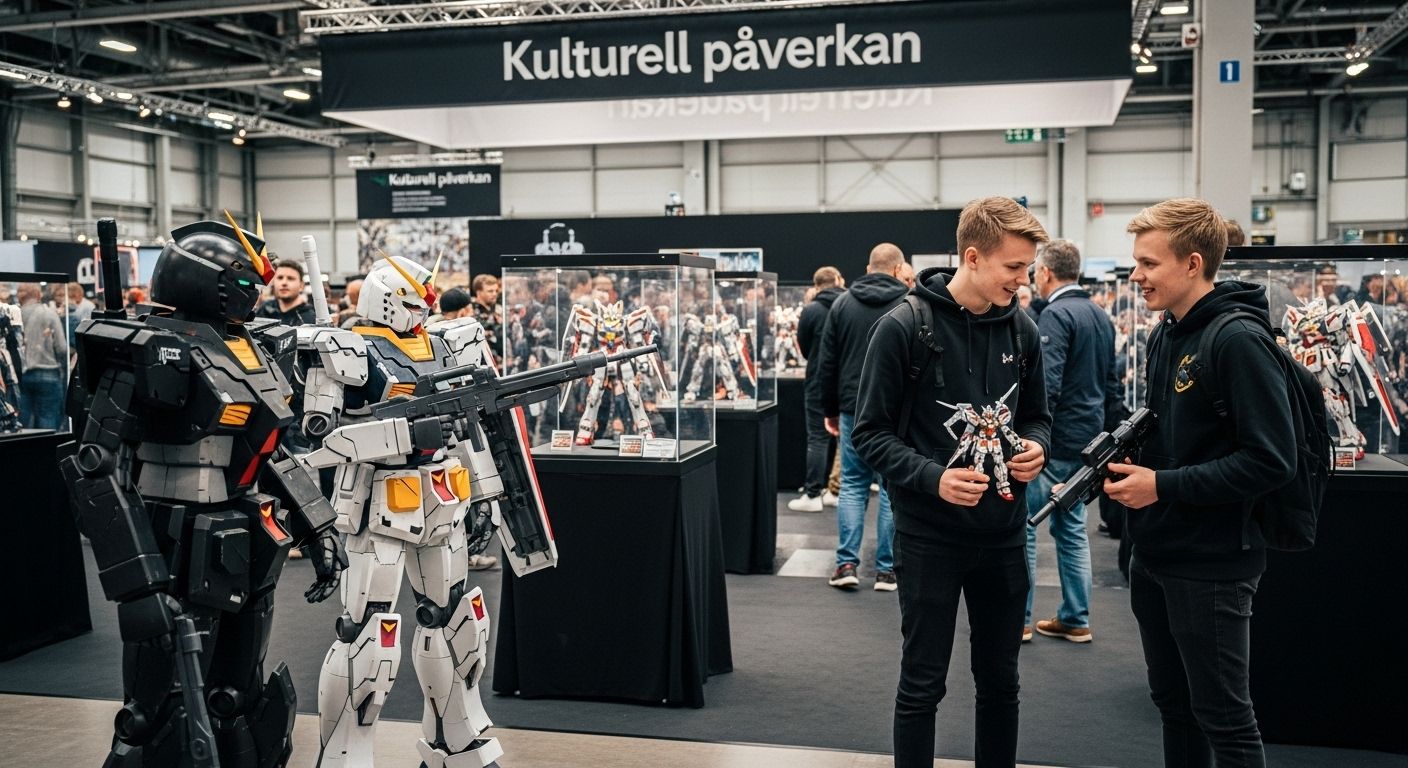
For younger generations, Gundam represents more than just robots. It is a complex narrative about morality, conflict, and human potential. Through various media – TV, games, models, cosplay – Gundam continues to challenge and inspire people to think beyond traditional boundaries.
This cultural movement shows no sign of slowing down. On the contrary, Gundam continues to evolve, adapt, and engage new fans with each generation. From young children building their first model to experienced cosplayers and game developers, Gundam is more than a franchise – it is a global cultural movement that unites creativity, passion, and storytelling.
Frequently Asked Questions
What is the Gundam series about?
The Gundam series focuses on human characters and their emotional journeys amidst a large mechanical war, with the robots serving as extensions of these emotions.
How have Gundam models evolved over time?
Gundam models have evolved from simple plastic kits to detailed, advanced collectibles that require great skill and creativity. Today, it is also possible to create personalized models using 3D printing.
What is Gunpla?
Gunpla is a type of model kit based on Gundam, where fans can build, paint, and customize their own robot models. These models are popular for both collectors and hobbyists.
How does Gundam influence popular culture today?
Gundam has a significant cultural impact and appears in various forms of media, including video games and cosplay. Themes from Gundam have inspired a multitude of other works in science fiction and design.
Take the next step in your Gundam journey with Robotto.se
Do you dream of moving from inspiration to action after reading about the history of the Gundam series and the growing model culture in Sweden? Many find it difficult to find the right kits or to start collecting truly extensive Gundam models. Perhaps you are looking for opportunities to develop your creativity, deepen your collection, or find quality models suitable for both beginners and experienced builders. Robotto.se is the place where you can realize your ideas and find models, figures, and accessories that transform your interest into an engaging hobby.
Experience the difference with a huge selection of Gundam models and accessories specifically chosen for collectors. Explore inspiring kits and models for Gundam fans and follow our news feed for the latest products. Visit Robotto.se today and become part of the community that grows every month. Now is the time to take the step from reader to model builder and discover why so many choose us as their obvious partner in the hobby.