

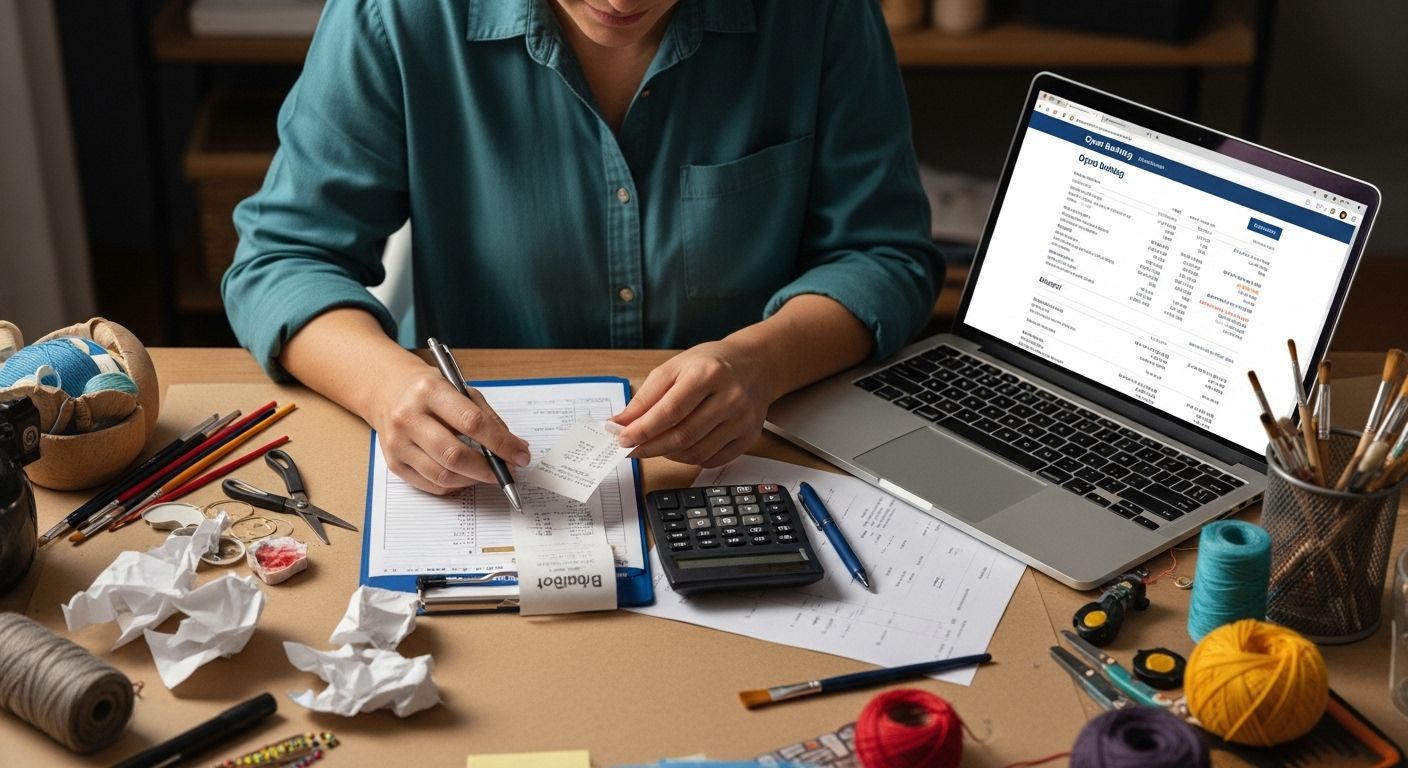
Having a hobby can feel like a dream, but the reality is that expenses can easily get out of hand. In fact, many Swedes spend up to 15 percent of their disposable income on their interests every month. That sounds like a luxurious lifestyle, but the truth is that small, smart changes can make your passion both cheaper and more enjoyable than you think.
Table of Contents
- Step 1: Analyze Your Current Hobby Costs
- Step 2: Set a Realistic Budget for Your Hobby
- Step 3: Explore Creative and Cost-Effective Alternatives
- Step 4: Find Communities and Resources for Sharing and Bartering
- Step 5: Evaluate and Adjust Your Budget Regularly
Quick Summary
| Main Point | Explanation |
|---|---|
| 1. Carefully analyze hobby costs | Collect and categorize expenses to understand your financial patterns. |
| 2. Create a realistic hobby budget | Define a monthly budget that does not impact basic commitments. |
| 3. Explore cost-effective alternatives | Utilize networks and resources to save money on your hobby. |
| 4. Participate in sharing and bartering | Engage in communities to share resources and knowledge. |
| 5. Evaluate and adjust the budget regularly | Review your budget monthly to ensure efficiency and relevance. |
Step 1: Analyze Your Current Hobby Costs
When it comes to hobby budgeting, the first step is always to understand your current expenses. By mapping out exactly how much money you spend on your hobby, you can create a more effective and realistic savings plan. This step is about becoming aware of your financial patterns and identifying potential savings opportunities.
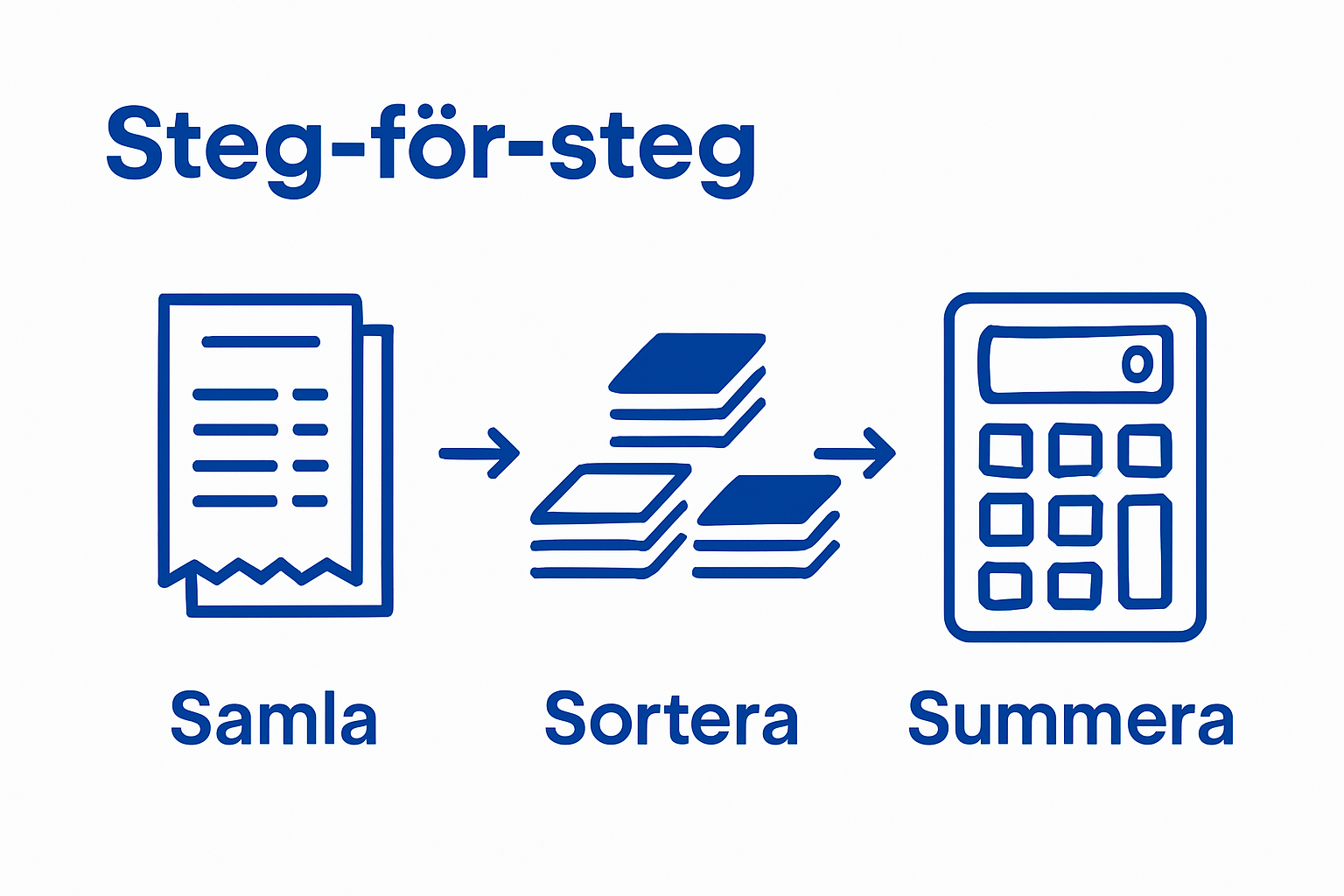
Start by collecting all receipts, bank statements, and purchase history from the past three to six months. Focus specifically on expenses related to your hobby – whether it's model building, game collections, or cosplay. Create a detailed list of all purchases, from large investments like kits to smaller expenses like paints, tools, or accessories.
When categorizing your expenses, be honest and thorough. Break down costs into different categories such as:
- Necessary purchases (Basic materials and basic equipment)
- Impulse purchases (Spontaneous purchases that were not planned)
- Development and education costs (Courses, tutorials, workshops)
Using digital tools can significantly simplify this process. Our guide on hobby financial management offers practical tips for tracking expenses. Overweigh especially the digital applications that automatically categorize and visualize your expenses.
Below is a summary of the key steps to analyze your current hobby costs – structured support for those who want to gain an overview and discover savings opportunities.
| Step | What to do | Purpose/Result |
|---|---|---|
| Collect purchases and receipts | Review bank statements and saved receipts for 3–6 months | Capture a complete picture of hobby expenses |
| Categorize costs | Divide into basic materials, impulse purchases, education | Identify where money is being spent |
| Use digital tools | Test apps to group and visualize costs | Facilitate categorization and insights |
| Calculate total cost | Add up all monthly costs | Determine the exact amount spent on the hobby |
| Identify savings potential | Note unnecessary purchases and expensive habits | Discover possible saving measures |
After compiling all the information, calculate the total monthly cost of your hobby. This will give you a clear picture of how much money is actually being spent. Don't be afraid of the result - insight is the first step towards better financial control.
Success criteria for this step include:
- A complete list of all hobby-related expenses
- Clear categorization of purchases
- Total monthly cost calculated
- Identified areas for potential savings
Perform this analysis with accuracy and objectivity. Remember, the goal is not to eliminate your hobby, but to make it more financially sustainable and enjoyable.
Step 2: Set a Realistic Budget for Your Hobby
Now that you have a clear picture of your current expenses, the next step is to create a sustainable and realistic budget for your hobby. This is not about limiting your passion, but about making it financially feasible and enjoyable in the long term. A good hobby budget should give you freedom, not limitations.
Start by defining a fixed monthly amount you can allocate to your hobby. This amount should be comfortable and not jeopardize your basic financial commitments. As a rule of thumb, hobby expenses should not exceed 10-15% of your disposable income. For specific strategies on smart purchases of model equipment, you can explore our dedicated guides.
Divide your budget into clear categories to create a more structured financial plan. Common categories for hobby budgets include:
- Basic equipment and materials
- New projects and purchases
- Education and development
- Reserved savings for special projects
When creating your budget, be honest with yourself about your financial capabilities and limitations. Avoid the temptation to overestimate or underestimate your expenses. A realistic budget takes into account both regular and irregular costs.
Consider using digital budgeting tools or apps that can help you track and categorize your expenses automatically. Many free applications offer visualizations that make it easy to follow your financial goals.
Success criteria for this step include:
- A defined monthly budget for the hobby
- Clear expense categories
- Realistic and achievable financial goals
- A plan for unforeseen expenses
Remember that a budget is a living plan. Be prepared to adjust and adapt it as your needs and financial circumstances change. The goal is to create a balance that allows you to enjoy your hobby without financial stress.
Step 3: Explore Creative and Cost-Effective Alternatives
In hobby circles, there are always smart ways to enjoy your passion without emptying your wallet. This step is about being creative and finding cost-effective solutions that allow you to continue developing your interest without financial stress. The goal is to maximize joy and minimize expenses.
One of the most powerful ways to save money is to leverage community and networks within your hobby. Seek out local hobby groups, online forums, and social media groups where enthusiasts share tips, exchange components, or sell used equipment. Explore our guide on creative problem-solving for further inspiration.
Exchange and reuse are key strategies for cost-effective hobby activities. This can involve:
- Organizing swap days with other hobbyists
- Buying used equipment from reliable sources
- Reusing materials from previous projects
- Participating in group purchases to get volume discounts
Digital resources also offer fantastic opportunities for cost savings. Many free online tutorials, guides, and video guides can help you develop your skills at no extra cost. Websites, YouTube channels, and specialized forums are goldmines for free knowledge.
Also, pay attention to seasonal offers, discounts, and special prices. Many hobby stores have annual sales or clearance events where you can find great bargains. Plan your purchases strategically around these periods for maximum savings.
Success criteria for this step include:
- At least one new network or community discovered
- Three alternative purchasing methods identified
- A list of free resources for knowledge development
- Concrete savings strategies implemented
Remember that creativity and frugality go hand in hand. Every saving is an opportunity to invest more in what you truly love within your hobby.
Step 4: Find Communities and Resources for Sharing and Bartering
The sharing economy has revolutionized how hobbyists can enjoy their interests without having to make large individual investments. This step is about building networks and finding creative ways to share resources, knowledge, and equipment. By actively seeking out and engaging in hobby communities, you can both save money and broaden your opportunities.
Start by identifying relevant online and offline communities for your specific hobby. Social media platforms like Facebook, Reddit, and Discord often have specialized groups where enthusiasts meet, share experiences, and discuss bartering opportunities. Explore our community-building tips to gain more insight into how you can integrate effectively.
When exploring bartering and resource sharing, there are several strategic approaches:
- Create a clear list of equipment you want to trade or share
- Establish clear communication channels with potential trading partners
- Set up simple and transparent agreements
- Document terms for loans and exchanges
Local hobby shops and associations are also fantastic resource centers. Many have bulletin boards, digital forums, or regular meetings where members can exchange equipment, share knowledge, and create temporary collaborations. These places serve as hubs for community-based resources and can give you access to networks you wouldn't otherwise have found.
Digital platforms specializing in bartering have also become increasingly common. Websites and apps dedicated to specific hobbies allow you to list equipment, find trading partners, and even conduct secure transactions.
Success criteria for this step include:
- At least two new community contacts established
- A functioning resource sharing strategy
- Documented exchanges or sharing agreements
- Familiarity with at least three bartering resources
Remember that building trust is key in all sharing contexts. Be honest, respectful, and clear in your communications to create sustainable and rewarding relationships within your hobby community.

Step 5: Evaluate and Adjust Your Budget Regularly
A budget is not a static document but a dynamic tool that requires continuous attention and adaptation. Regular evaluation is crucial to ensure that your hobby budget remains relevant and effective. This step is about creating a routine to review and adjust your financial strategies.
Set aside a fixed time each month or quarter to thoroughly review your hobby budget. Choose a time that fits your personal financial cycle, preferably after payday or when you have a complete overview of the month's expenses. Our guide on financial planning can provide further guidance in this process.
When evaluating your budget, focus on the following critical aspects:
- Compare actual expenses against planned expenses
- Identify unexpected costs or savings
- Analyze whether the current budget meets your hobby goals
- Assess potential future investments or expenses
Digital tools and apps can significantly simplify this evaluation process. Many budgeting applications offer automatic reports, graphical visualizations, and comparison features that make it easy to track your financial patterns. Choose a tool that feels intuitive and that you will actually use regularly.
Be prepared to be flexible and make adjustments.
Here is an overview checklist for successfully conducting regular reviews and adjustments to your hobby budget, so that it remains updated and relevant.
| Checkpoint | What to do | When/how often | Purpose |
|---|---|---|---|
| Conduct monthly review | Review actual results against planned budget | Every month or quarter | Detect deviations and check status |
| Compare actual expenses | Check difference against planned | At each budget review | Catch over/under spending |
| Document deviations | Note major differences or findings | Immediately upon review | Basis for future adjustment |
| Make concrete adjustments | Shift resources or reduce certain items | After evaluation | Adapt the budget to current needs |
| Adjust for changed life situations | Change totals based on finances/hobby | In case of major life changes | Ensure long-term sustainability |
Success criteria for this step include:
- Completed monthly budget review
- Documented deviations from original budget
- At least three concrete adjustments implemented
- Updated budget reflecting current conditions
Remember that the purpose of regular evaluation is not perfectionism, but to create a budget that lives and breathes with you. A dynamic and adaptable financial strategy ensures that your hobby remains both enjoyable and financially sustainable.
Make Your Hobby Budget a Reality with Smart Choices at Robotto.se
Creating a sustainable hobby budget is a challenge many recognize. Perhaps you have already analyzed your expenses, set clear budget goals, and looked for cheaper solutions so that your finances can cover more projects throughout the year. Whether you want to prioritize Gundam models, build on your collection, or find unique accessories for cosplay, there are smart ways to achieve both joy and savings.
Now you can take the next step towards a smarter hobby life. Explore our wide range of kits and accessories at Robotto.se and find products that fit your budget and goals. By shopping with us, you get:
- Clear prices in SEK
- Constant product news and campaigns that make saving easy
- Safe and practical purchases of models, figures, and collectibles
Do you dream of even more tips for smart purchases and creative building? Feel free to visit our guides on financial management for hobbyists and how to save money on Gunpla kits. Let your hobby grow with your budget and discover new opportunities today at Robotto.se.
Frequently Asked Questions
How can I analyze my current hobby costs?
Start by collecting all receipts and bank statements from the past three to six months. Divide expenses into categories such as necessary purchases, impulse purchases, and education costs.
What should I consider when setting up a hobby budget?
Define a realistic monthly amount for your hobby, preferably 10-15% of your disposable income. Divide the budget into categories such as equipment, new projects, and education.
What cost-effective alternatives are available to hobbyists?
```Utilize the community by participating in bartering, buying used equipment, or reusing materials. Digital resources like free online tutorials can also be very helpful.
How often should I review and adjust my hobby budget?
Conduct a budget review monthly or quarterly to ensure your budget remains relevant. Compare actual expenses with planned ones and adjust as needed.